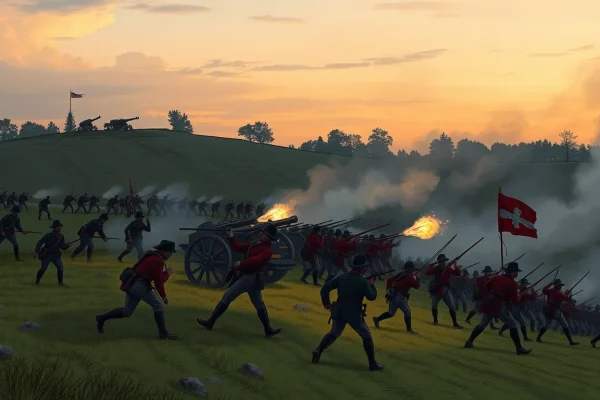
Battle of Tallushatchee

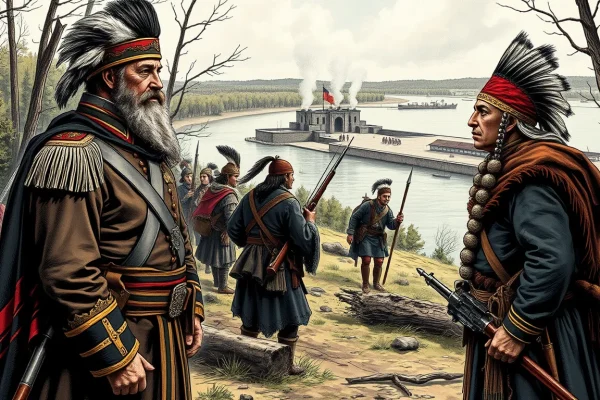
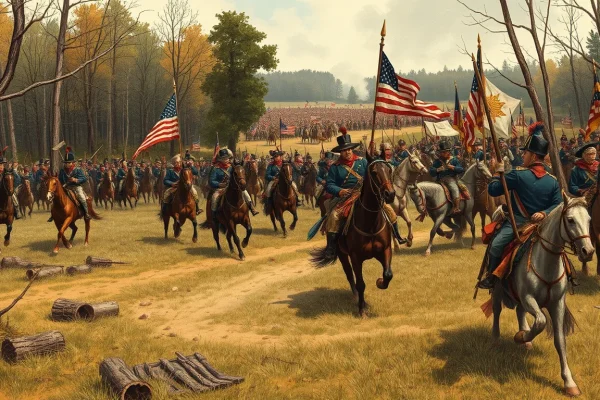
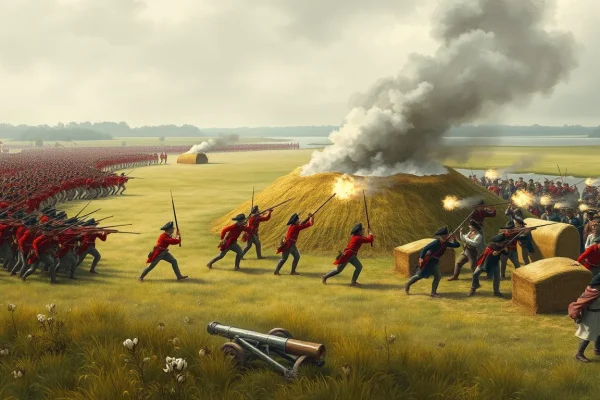
The Battle of Tallushatchee, fought on November 3, 1813, in present-day Calhoun County, Alabama, was the first major American victory of the Creek War. Andrew Jackson’s subordinate John Coffee led about 900 Tennessee mounted troops in destroying the Red Stick Creek town of Tallushatchee, killing 186 residents, including women and children.

Read More →

The White House During the War of 1812

In August 1814, British forces captured Washington, D.C., and set fire to the President’s House (now the White House) in retaliation for the American burning of York. The event shocked the nation, but the building was swiftly rebuilt, and the white paint used to cover the scorch marks helped cement its lasting name.

Read More →

The Siege of Detroit Explained

The Siege of Detroit (15–16 August 1812) was an early War of 1812 engagement in which British and Indigenous forces under Major General Isaac Brock and Tecumseh compelled the surrender of American Brigadier General William Hull’s larger army at Fort Detroit, securing the Michigan Territory for Britain.

Read More →

Why Did Britain Retreat After Plattsburgh?

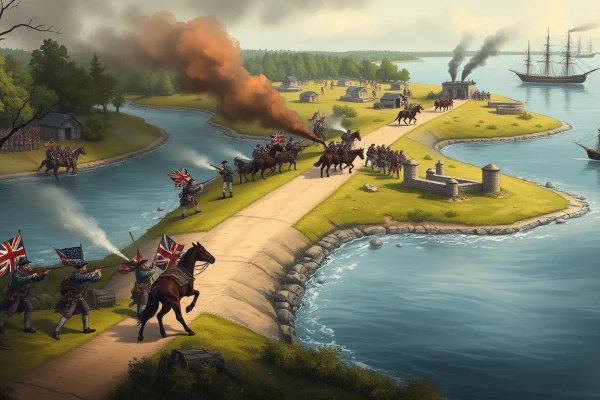
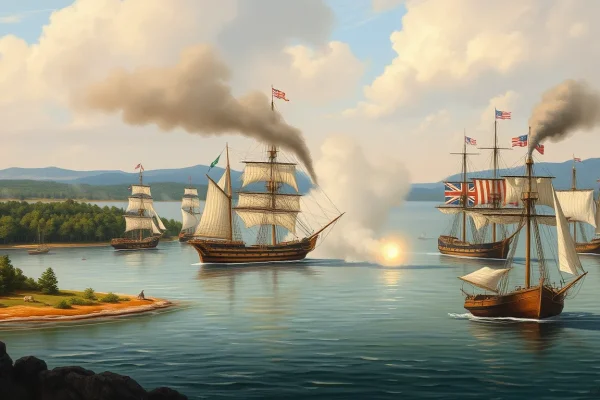
After the American naval victory at Plattsburgh on September 11, 1814, British commander Sir George Prevost called off the land assault and retreated to Canada. The retreat stemmed from the loss of naval support, fears for supply lines, and Prevost’s cautious judgment, a decision that many subordinates and later historians have debated.

Read More →

Winfield Scott at Queenston Heights

At the Battle of Queenston Heights on 13 October 1812, American Lieutenant Colonel Winfield Scott took command of the U.S. force on the heights after his superiors were wounded, and was forced to surrender to the British after militia reinforcements refused to cross the Niagara River.

Read More →

Battle of Frenchtown

The Battle of Frenchtown, fought on January 18 and 22, 1813, near present-day Monroe, Michigan, was a decisive British and Indigenous victory during the War of 1812. The defeat and subsequent massacre of American prisoners sparked the rallying cry ‘Remember the Raisin’.

Read More →

Second Siege of Fort Meigs

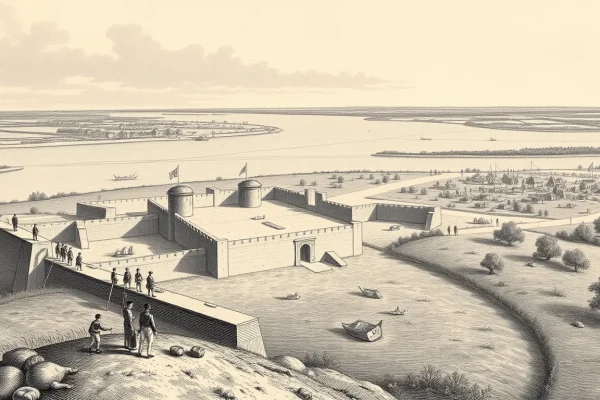
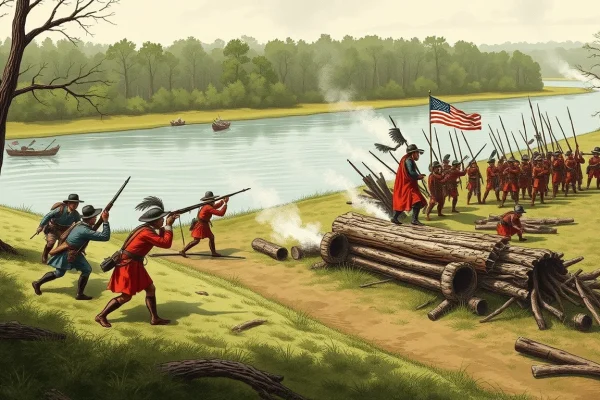
The Second Siege of Fort Meigs (July 21–28, 1813) was a failed British and Indigenous attempt to capture the American fort on the Maumee River by ruse. The garrison under Green Clay refused to be lured out, forcing the attackers to withdraw and marking a turning point in Anglo-Indigenous cooperation.

Read More →