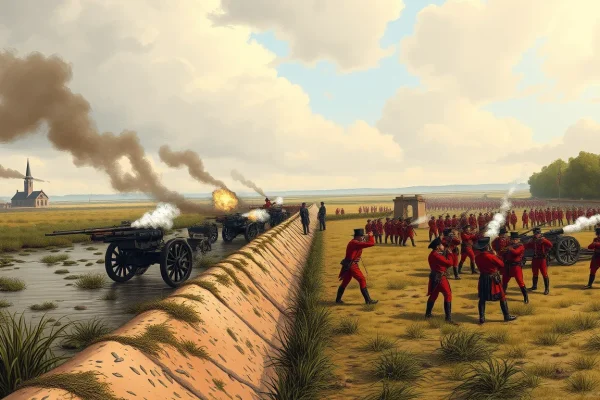
Fort George During the War of 1812

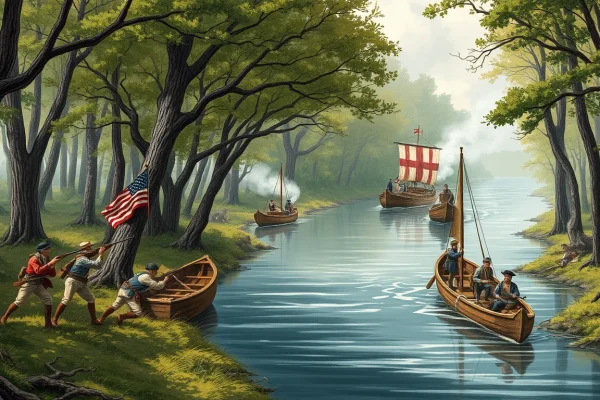
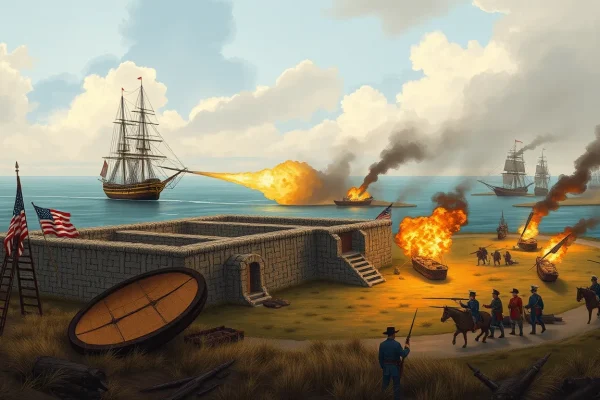
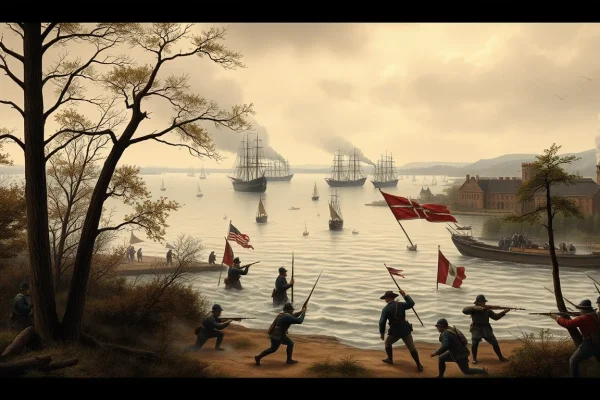
Fort George was a British strongpost on the Niagara River that became a key objective of the American 1813 campaign. After a naval bombardment on 25 May and an amphibious assault on 27 May 1813, American forces captured the fort and occupied it for seven months. Its loss forced the British to withdraw to Burlington Heights, but the fort was retaken in December 1813 and held until the end of the war.

Read More →

Remember the Raisin: Meaning and Historical Context

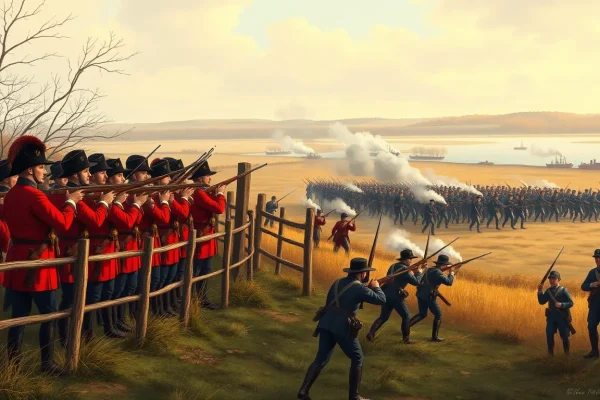
Remember the Raisin was a rallying cry that emerged after the January 1813 Battle of Frenchtown (River Raisin) in which American prisoners were killed by Potawatomi warriors. It symbolized American determination to avenge the defeat and the massacre, fueling military efforts in the Old Northwest and contributing to the eventual U.S. victory at the Battle of the Thames.

Read More →

Battle of Lake Erie

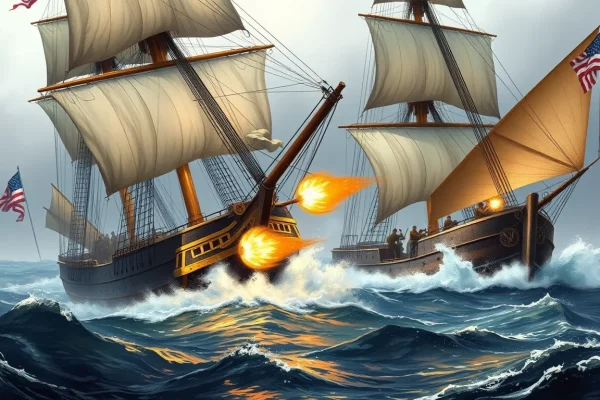
The Battle of Lake Erie, fought on 10 September 1813 near Put-in-Bay, Ohio, was a decisive American naval victory that secured control of the lake, enabled the recovery of Detroit, and led directly to the Battle of the Thames and the death of Tecumseh.

Read More →

The Capture of Fort Mackinac

The Capture of Fort Mackinac on 17 July 1812 was the first military action of the War of 1812 in the upper Great Lakes, resulting in a bloodless British victory. The seizure of this strategic post secured control of the Straits of Mackinac, influenced Indigenous alliances, and contributed to later American setbacks such as the fall of Detroit.

Read More →

Battle of Fort George

The Battle of Fort George (May 25–27, 1813) was an American amphibious assault that captured the British fort at the mouth of the Niagara River, but the British garrison escaped intact, rendering the victory strategically hollow.

Read More →

Northwest Campaign of 1813

The Northwest Campaign of 1813 was a series of American operations in the Great Lakes region, including the Battle of Frenchtown, Sieges of Fort Meigs, Battle of Lake Erie, and Battle of the Thames, which ended Tecumseh’s confederacy and secured American control of the Northwest.

Read More →

USS Saratoga and the Battle of Lake Champlain

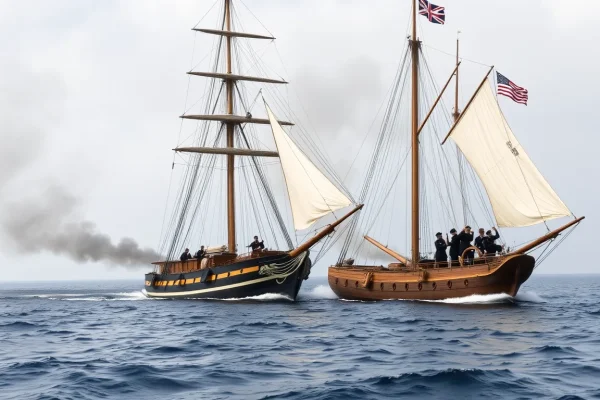
The USS Saratoga, flagship of Thomas Macdonough’s Lake Champlain squadron, played a decisive role in the American naval victory over a British fleet in Plattsburgh Bay on September 11, 1814. This battle, also known as the Battle of Lake Champlain, halted a British invasion of New York and helped shape the negotiations that ended the War of 1812.

Read More →

Fort Mackinac During the War of 1812

Fort Mackinac, on Mackinac Island, was captured by British and Indigenous forces on July 17, 1812, in the first land engagement of the war on American soil. The post’s control shaped Indigenous alliances and the war’s course in the northwest, and an American attempt to retake it in 1814 failed.

Read More →