The New Orleans Campaign

The New Orleans Campaign was the final British military effort of the War of 1812, culminating in the decisive American victory at the Battle of New Orleans on January 8, 1815. Though fought after the Treaty of Ghent had been signed, the campaign became a cornerstone of American national identity and propelled Andrew Jackson to the presidency.

Read More →

Battle of Wild Cat Creek

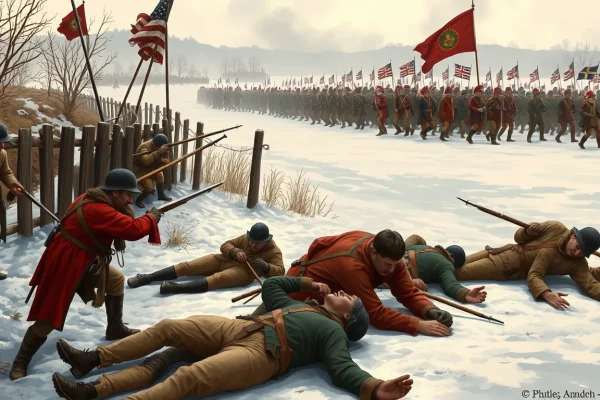
The Battle of Wild Cat Creek, fought on November 21–22, 1812, was a Native American victory over an American punitive expedition in present-day Carroll County, Indiana. The engagement, also called Spur’s Defeat, ended Major General Samuel Hopkins’ campaign and highlighted the difficulties of frontier warfare during the War of 1812.

Read More →

Tecumseh’s Death at the Battle of the Thames

On October 5, 1813, Shawnee leader Tecumseh was killed at the Battle of the Thames in Upper Canada while fighting alongside British forces against the Americans. His death marked the collapse of his pan-Indigenous confederacy and the end of organized Indigenous resistance in the Northwest, a turning point in the War of 1812.

Read More →

Rush–Bagot Agreement and the Great Lakes

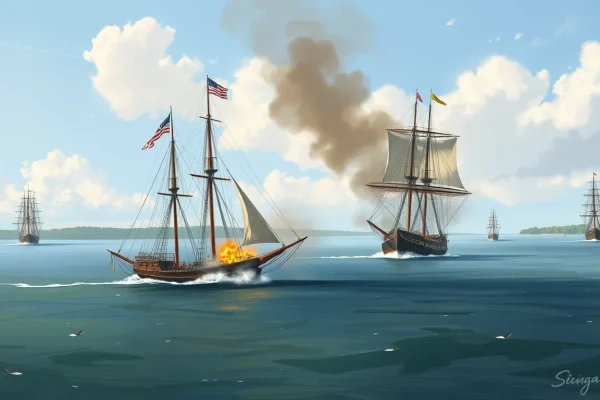
The Rush–Bagot Agreement of 1817 was an exchange of diplomatic notes between the United States and Great Britain that limited naval forces on the Great Lakes and Lake Champlain. It ended the post-War of 1812 naval arms race and became a lasting symbol of the undefended border between the United States and Canada.

Read More →

Night Battle of December 23, 1814

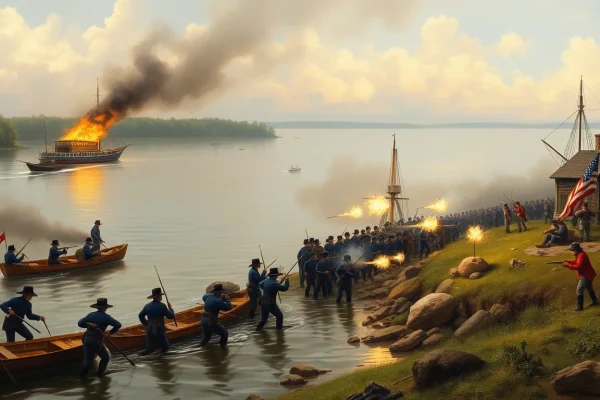
The Night Battle of December 23, 1814, was a surprise American attack on British forces that had just landed below New Orleans during the War of 1812. Andrew Jackson’s night assault, though tactically indecisive, delayed the British advance and allowed time for the construction of the defensive line that won the decisive Battle of New Orleans on January 8, 1815.

Read More →

Fort Ontario During the War of 1812

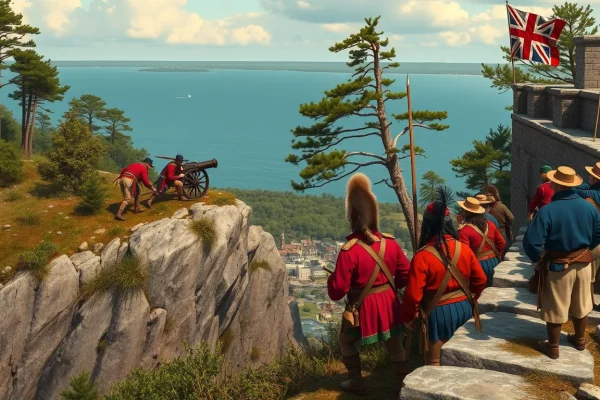
Fort Ontario guarded the harbor at Oswego, New York, a vital link in the American supply chain to Sackets Harbor. In May 1814 a British amphibious force captured the fort but failed to seize the most critical naval stores, which Lieutenant Colonel George E. Mitchell had moved upriver, blunting the strategic impact of the victory.

Read More →

Battle of Burnt Corn

The Battle of Burnt Corn, fought on July 27, 1813, was the first significant engagement of the Creek War, pitting Mississippi Territory militia against Red Stick Creeks returning from Pensacola. The Red Stick victory escalated the conflict and directly contributed to the Fort Mims massacre.

Read More →

Bladensburg Battlefield

Bladensburg Battlefield in Maryland was the site of the August 24, 1814 battle where British forces defeated American troops, opening the way to Washington, D.C. and the burning of public buildings. Today part of the site is preserved in Bladensburg Waterfront Park.

Read More →