Battle of York

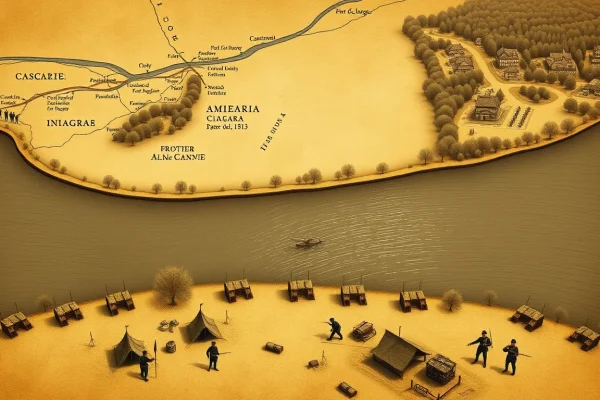
The Battle of York (April 27, 1813) was an American victory that captured the capital of Upper Canada, York (present-day Toronto), during the War of 1812. It boosted American morale but had limited strategic impact and led to the destruction of public buildings and a deadly magazine explosion.

Read More →

Civilian Life During the War of 1812

During the War of 1812, civilians along the U.S.-Canadian border and in coastal regions faced destruction, displacement, and economic hardship. This article explores how ordinary people, including women, children, and Indigenous peoples, coped with military occupation, looting, and the burning of towns such as Newark and Washington D.C., and how these experiences shaped national identities.

Read More →

The Battle of Tippecanoe and the Road to the War of 1812

Fought on November 7, 1811, the Battle of Tippecanoe pitted U.S. forces under William Henry Harrison against the Shawnee-led confederacy of Tecumseh and his brother Tenskwatawa. The American victory near the Tippecanoe River destroyed Prophetstown, intensified Indian resistance, and became a major catalyst for the American declaration of war against Britain in 1812.

Read More →

Seamen’s Protection Certificates and Genealogy

Seamen’s Protection Certificates, created by the U.S. Congress in 1796, were identity documents issued to American merchant seamen to protect them from British impressment. The applications and registers of these certificates, preserved at the National Archives, have become valuable resources for genealogists researching maritime ancestors from the early republic, including the War of 1812 era.

Read More →