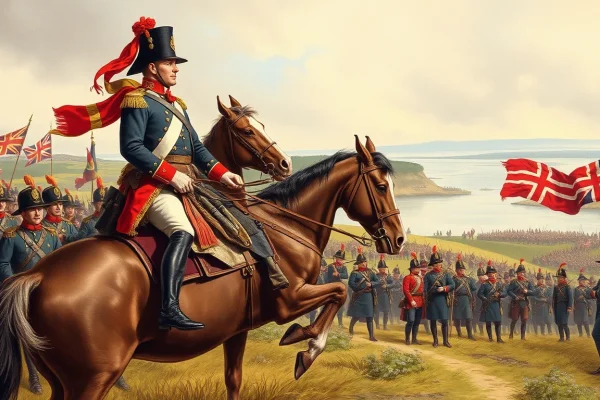
Gordon Drummond and the Niagara Campaign

Gordon Drummond, a British lieutenant general and the first Canadian-born officer to command both military and civil government in British North America, led the Niagara Campaign of 1814. His leadership at the Battle of Lundy’s Lane and the subsequent siege of Fort Erie helped repel the American invasion of Upper Canada.
Read More →

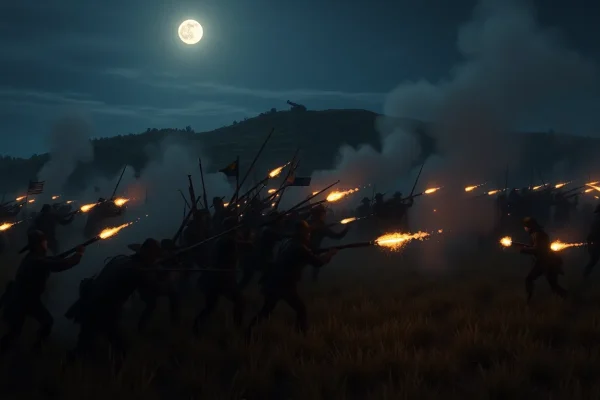
Why Was Lundy’s Lane So Bloody?

The Battle of Lundy’s Lane, fought on July 25, 1814, was one of the bloodiest engagements of the War of 1812. Its ferocity resulted from a combination of tactical miscalculations, close-range musketry and artillery fire, darkness, and the determined leadership of both sides.

Read More →

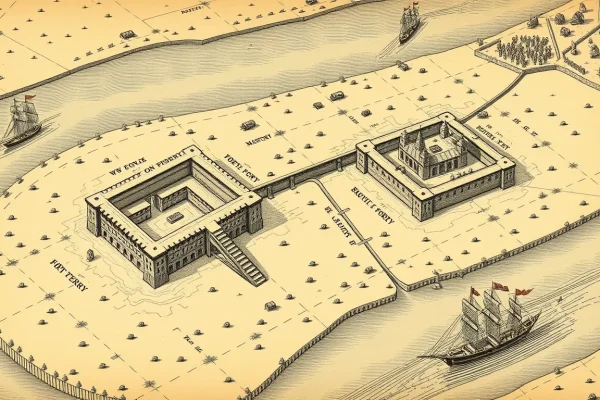
Fortifications of the War of 1812

The fortifications of the War of 1812 comprised the static defenses that shaped campaigns from the Great Lakes to the Atlantic coast. These works, ranging from permanent masonry fortresses to temporary earthworks, protected strategic harbors, supply routes, and frontiers, and their condition and use influenced the outcomes of key battles and sieges. Their preservation as national historic sites reflects their enduring significance.

Read More →

Militia Service During the War of 1812

During the War of 1812, militia service involved the mobilization of citizen-soldiers by state governments, subject to federal call-ups. The system faced significant legal and military challenges, including refusals to cross into Canada and mixed performance in battle, while Canadian militias played a role in defending Upper Canada.

Read More →

Records of Impressed American Sailors

Records of Impressed American Sailors are the diplomatic and administrative documents created by the U.S. government between the 1790s and the end of the War of 1812 to track foreign impressment of American seamen and to seek their release. These records document a primary cause of the War of 1812 and survive as a rich source for genealogists and historians.

Read More →