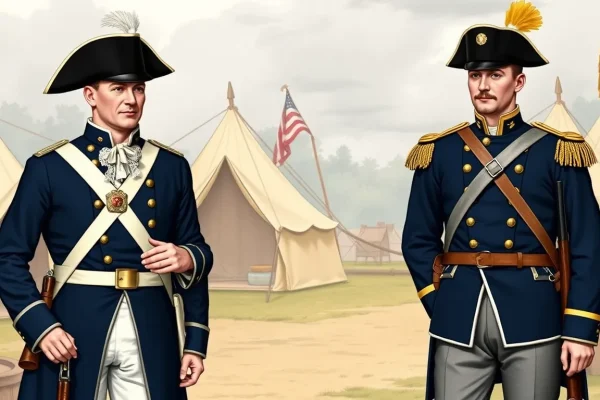
U.S. Army Uniforms of the War of 1812

During the War of 1812, the U.S. Army’s uniforms evolved from varied, non-standard dress toward more uniform regulation, shaped by supply shortages, British and French influences, and the necessities of war. This article examines the components, variations, and historical significance of these uniforms.
Read More →

War of 1812 Widow Pension Records

War of 1812 widow pension records are applications and supporting documents filed by widows of veterans to receive federal pensions. Most were created under the acts of 1871 and 1878, which granted benefits based on service alone, and they provide rich genealogical and historical detail about veterans and their families.

Read More →

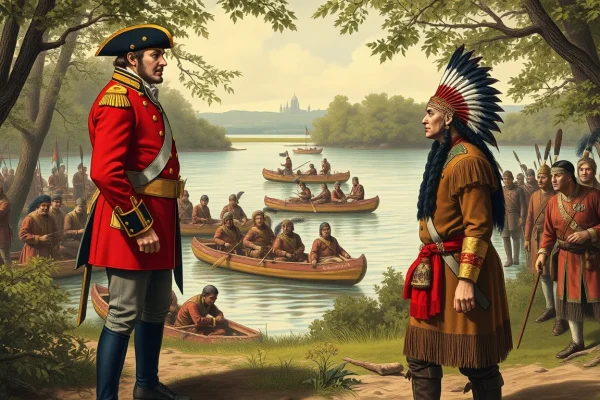
Isaac Brock and Tecumseh at Detroit

In August 1812, British Major General Isaac Brock and Shawnee leader Tecumseh formed a critical alliance at Detroit, leading to the capture of Fort Detroit from American forces without a major battle. This event preserved Upper Canada and shaped Indigenous-British cooperation early in the War of 1812.

Read More →

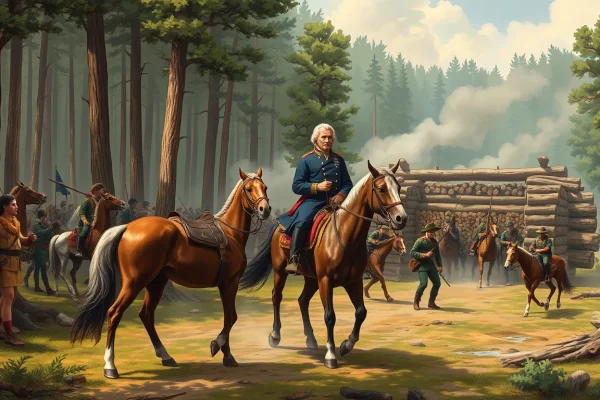
Andrew Jackson and the Creek War

Andrew Jackson led American forces during the Creek War (1813–1814), a conflict intertwined with the War of 1812. His victory at the Battle of Horseshoe Bend broke Red Stick resistance, leading to the Treaty of Fort Jackson and the cession of millions of acres of Creek land.

Read More →

Great Lakes Campaign of 1813

The Great Lakes Campaign of 1813 was a series of naval and military operations on and around the Great Lakes, marked by the American victory at the Battle of Lake Erie, the recapture of Detroit, and the Battle of the Thames, which decisively shifted the balance of power in the Upper Canada frontier.

Read More →

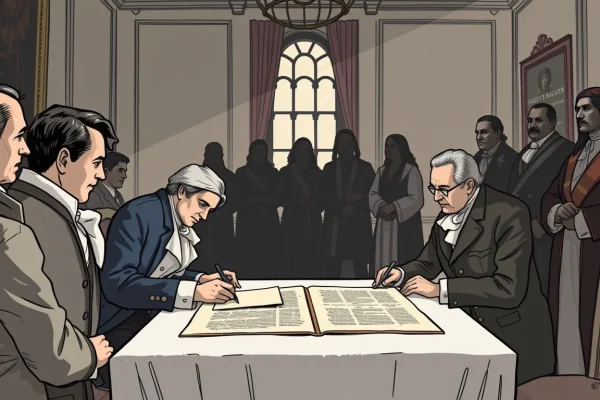
How the Treaty of Ghent Addressed Indigenous Nations

The Treaty of Ghent (1814) included Article IX, which promised to restore Indigenous peoples’ possessions, rights, and privileges to their 1811 status, but the provision was unenforced and Britain’s proposed Indigenous buffer state was dropped. This article examines the treaty’s limited and consequential treatment of Indigenous nations and its long-term impact.

Read More →

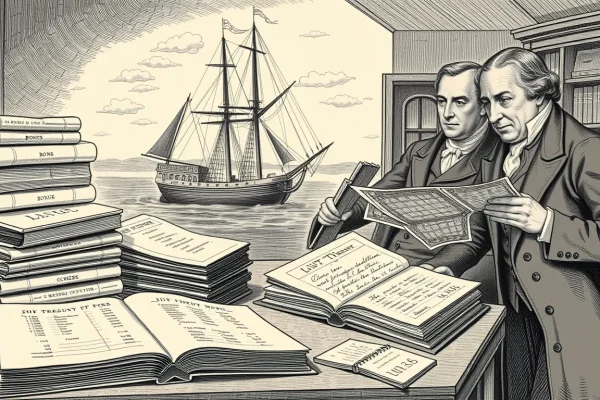
Financing the War of 1812

The War of 1812 forced the United States to improvise a wartime financial system despite a weakened federal treasury, an expired national bank charter, and reliance on customs duties. The resulting mix of loans, treasury notes, and direct taxes shaped the war effort and pushed the country toward a more centralized banking and taxation structure.

Read More →