How Reliable Are War of 1812 Battlefield Accounts?

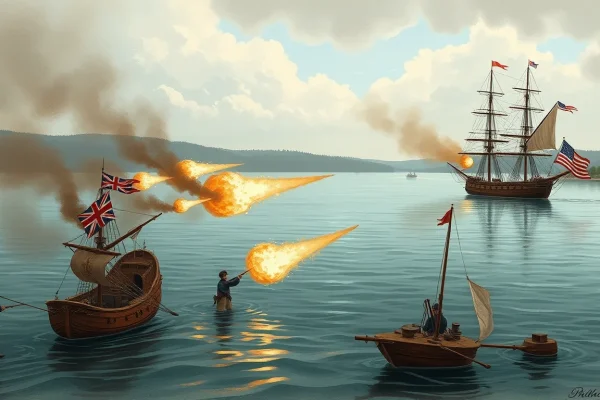
The reliability of War of 1812 battlefield accounts is limited by official reports shaped by political priorities, personal memoirs written years later, and national myths that exaggerated or distorted events. Historians now treat these sources critically to reconstruct what actually happened in battles like Queenston Heights, Lake Erie, and New Orleans.
Read More →

Naval Operations on Lake Champlain

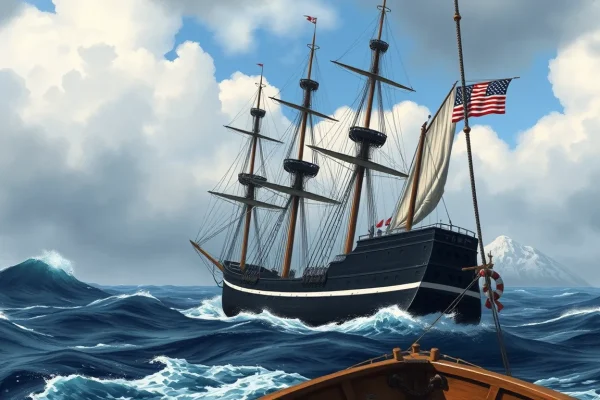
Naval operations on Lake Champlain during the War of 1812 centered on the naval race between American and British squadrons and culminated in the American victory at the Battle of Lake Champlain on September 11, 1814, which ended the British invasion from Canada and influenced peace negotiations at Ghent.

Read More →

What Did the United States Want From the Treaty of Ghent?

The United States wanted the Treaty of Ghent to end impressment, protect neutral trade rights, restore pre-war boundaries, and stop British interference with American sovereignty. These aims shifted during negotiations as the war’s circumstances changed, ultimately leading to a treaty that restored the status quo ante bellum without addressing the original grievances.

Read More →

Signals and Communications on Warships in the War of 1812

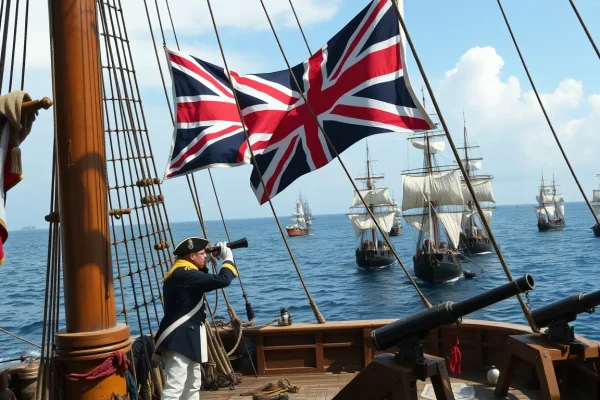
Signals and communications on warships during the War of 1812 relied on visual methods such as flag hoists, signal guns, and semaphore. Effective signaling was crucial for fleet coordination, and both the British and American navies developed distinct systems to manage their forces. This article explores how these systems worked and their impact on key naval engagements.

Read More →

Andrew Jackson’s Defensive Line at New Orleans

Andrew Jackson’s defensive line at New Orleans was a roughly one-mile-long earthwork built along the Rodriguez Canal at Chalmette Plantation in late December 1814. It anchored the American right flank on the Mississippi River and the left on an impassable swamp, and its artillery and infantry firepower repulsed a major British frontal assault on January 8, 1815, securing a decisive American victory in the War of 1812.

Read More →

The 1812 Presidential Election and the War

The 1812 United States presidential election, held during the early months of the War of 1812, saw incumbent James Madison defeat DeWitt Clinton in a contest widely viewed as a referendum on the conflict. Madison’s victory ensured the continuation of the war and the survival of the Democratic-Republican administration.

Read More →