Battle of York

The Battle of York (April 27, 1813) was an American victory that captured the capital of Upper Canada, York (present-day Toronto), during the War of 1812. It boosted American morale but had limited strategic impact and led to the destruction of public buildings and a deadly magazine explosion.

Read More →

The Battle of Tippecanoe and the Road to the War of 1812

Fought on November 7, 1811, the Battle of Tippecanoe pitted U.S. forces under William Henry Harrison against the Shawnee-led confederacy of Tecumseh and his brother Tenskwatawa. The American victory near the Tippecanoe River destroyed Prophetstown, intensified Indian resistance, and became a major catalyst for the American declaration of war against Britain in 1812.

Read More →

Battle of the Thames

The Battle of the Thames, fought on October 5, 1813, near Moraviantown in Upper Canada, was a decisive American victory that ended British control of the Western District and resulted in the death of the Shawnee leader Tecumseh, shattering his pan-Indigenous confederacy.

Read More →

Battle of Emuckfaw and Enotachopo Creek

The Battle of Emuckfaw and Enotachopo Creek (January 22–24, 1814) was a series of engagements during Andrew Jackson’s Creek War campaign, pitting American and allied Native forces against Red Stick Creeks. Although tactically inconclusive, the Red Sticks missed their best chance to destroy Jackson’s army, and Jackson withdrew to Fort Strother before resuming his offensive.

Read More →

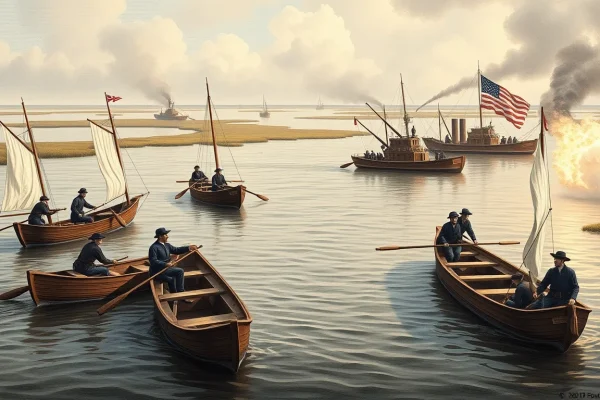
Battle of Lake Borgne

The Battle of Lake Borgne (December 14, 1814) was a naval engagement in which British ship’s boats and barges defeated a small American gunboat flotilla, clearing the way for the British approach to New Orleans during the War of 1812. The British victory removed the last naval obstacle in Lake Borgne, but the delay it caused gave American forces under Andrew Jackson additional time to prepare the defenses that would win the Battle of New Orleans.

Read More →

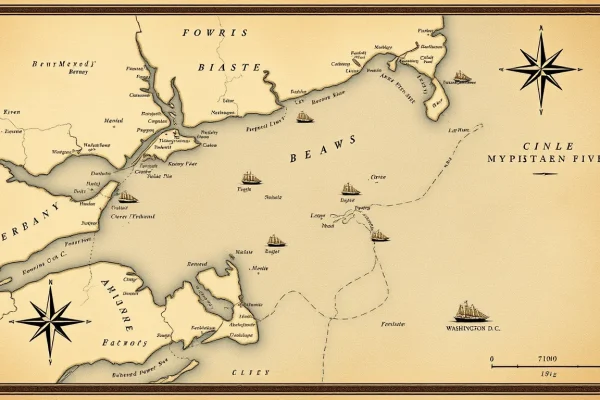
Chesapeake Bay During the War of 1812

The Chesapeake Bay was a major theater of the War of 1812, subject to British blockade, raids, and a full campaign in 1814 that culminated in the burning of Washington and the defense of Baltimore. The region’s strategic importance, privateering, and role in the war shaped American identity and produced the Star-Spangled Banner.

Read More →

First Siege of Fort Meigs

The First Siege of Fort Meigs (28 April–9 May 1813) was a British and Indigenous attempt to capture the American fort on the Maumee River in Ohio. The American garrison under William Henry Harrison successfully held the fort, forcing the British to withdraw despite a costly defeat of an American relief column.

Read More →