Battle of Stoney Creek
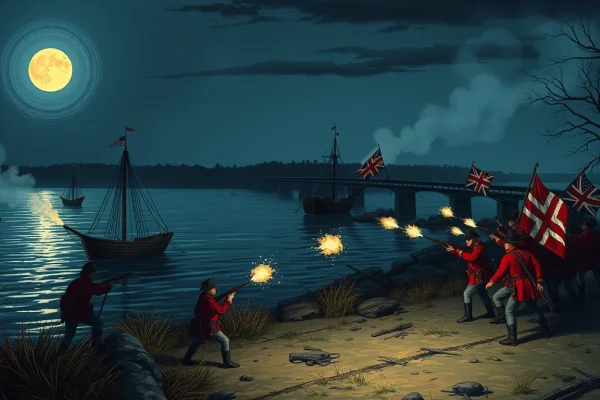
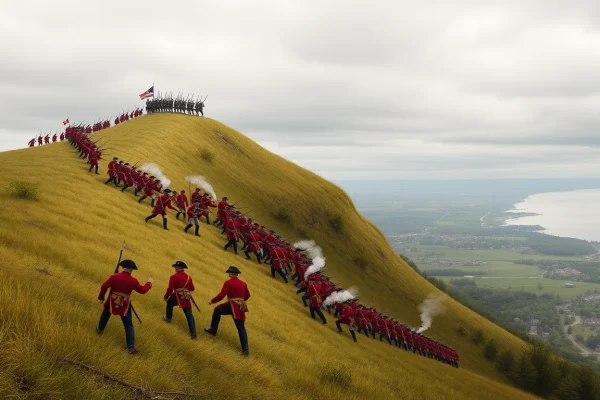
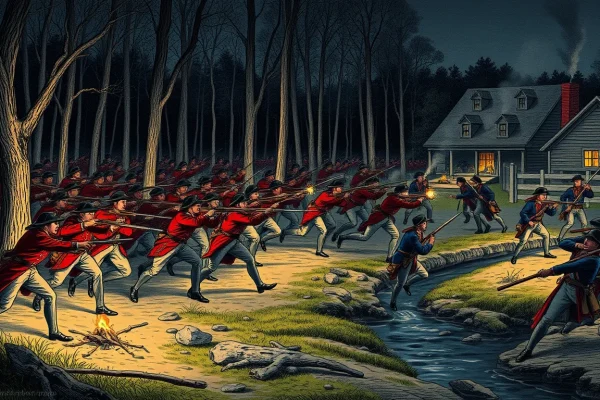
The Battle of Stoney Creek, fought on 6 June 1813, was a British night attack that captured two American generals and halted the American invasion of Upper Canada, restoring British control over the Niagara Peninsula.

Major military engagements organized by theater.
The Battle of Stoney Creek, fought on 6 June 1813, was a British night attack that captured two American generals and halted the American invasion of Upper Canada, restoring British control over the Niagara Peninsula.
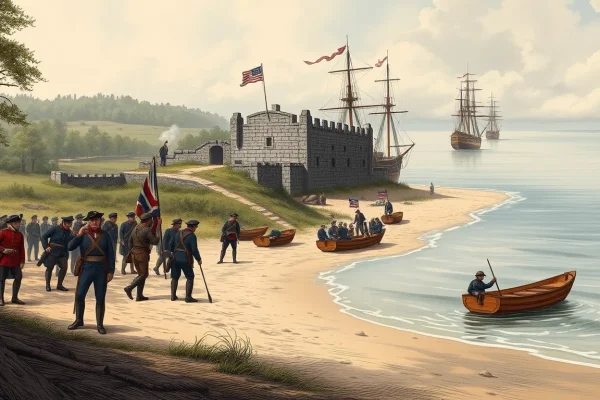
The Battle of Fort Oswego (1814) was a British raid on the American post at Oswego, New York, on 6 May 1814, during the War of 1812. Though the British captured the fort and village, they failed to secure the heavy naval guns intended for the American squadron on Lake Ontario, limiting the strategic impact of their victory.
The Battle of Fort Stephenson on August 1–2, 1813 was a decisive American victory during the War of 1812, in which Major George Croghan’s small garrison repelled a British assault at Lower Sandusky (present-day Fremont, Ohio).
The Lundy’s Lane Battlefield in Niagara Falls, Ontario, is the site of the bloodiest battle of the War of 1812, fought on July 25, 1814, where British and Canadian forces under Gordon Drummond halted the American army’s advance into Upper Canada, ending the American offensive.
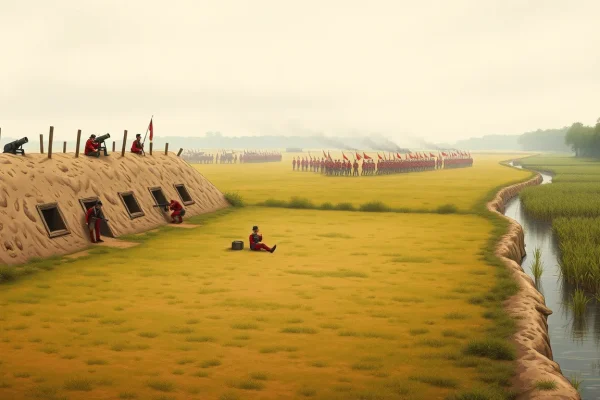
Andrew Jackson’s defensive line at New Orleans was a roughly one-mile-long earthwork built along the Rodriguez Canal at Chalmette Plantation in late December 1814. It anchored the American right flank on the Mississippi River and the left on an impassable swamp, and its artillery and infantry firepower repulsed a major British frontal assault on January 8, 1815, securing a decisive American victory in the War of 1812.
The Battle of Frenchman’s Creek (November 28, 1812) was a night action on the Niagara River in Upper Canada during the War of 1812. It was a failed American attempt to secure a foothold for a larger invasion after the defeat at Queenston Heights. British and Canadian forces under Cecil Bisshopp repulsed the American raiders, ending American hopes for a 1812 offensive on the Niagara frontier.
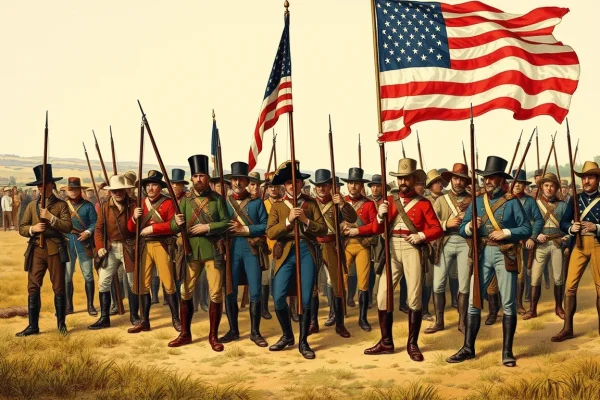
During 1812, the United States relied heavily on state militias to fill the ranks of its small regular army. The militia’s constitutional limitations, poor training, and command disputes significantly shaped the early campaigns of the War of 1812, especially along the U.S.-Canadian border.
Queenston Heights Battlefield is a National Historic Site in Niagara-on-the-Lake, Ontario, marking the site of the October 13, 1812 Battle of Queenston Heights. The battle, a British victory, was a turning point in the War of 1812 and is notable as the place where Major-General Sir Isaac Brock was killed.
British strategy on the Gulf Coast during the War of 1812 aimed at seizing New Orleans and controlling the Mississippi River. The campaign culminated in the Battle of New Orleans on 8 January 1815, a tactical American victory fought after the Treaty of Ghent had been signed.
Commodore Joshua Barney commanded the Chesapeake Flotilla, a small force of shallow-draft barges that resisted British naval raids in the Chesapeake Bay during the War of 1812, fought at St. Leonard’s Creek, and later contributed to the defense of Washington at the Battle of Bladensburg.