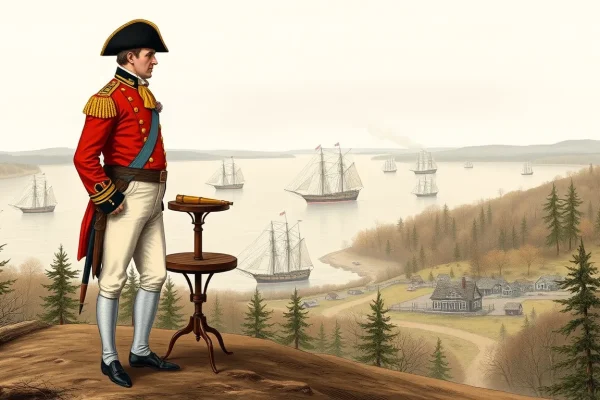
Sir George Prevost: The British General Who Failed at Plattsburgh

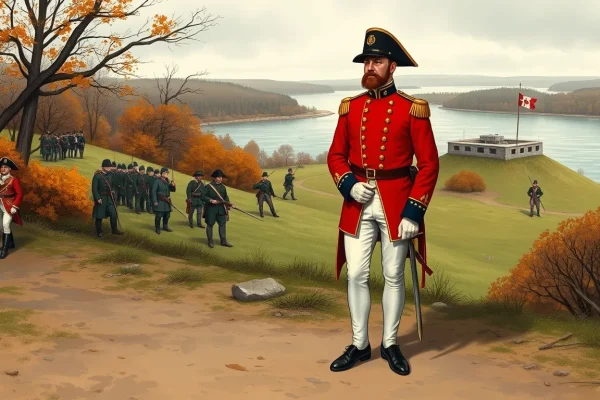
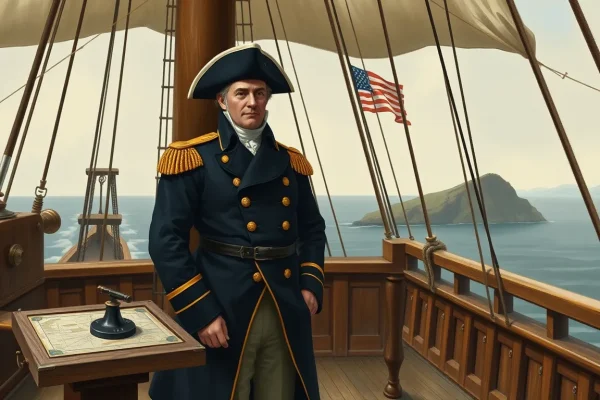
Sir George Prevost was the British governor-in-chief and commander-in-chief in North America during the War of 1812. In September 1814 he led the last major British offensive of the war against Plattsburgh, New York, then withdrew after his naval squadron was destroyed on Lake Champlain. His reputation remains contested between critics who call the campaign a failure of command and historians who credit him with preserving the Canadas.
Read More →

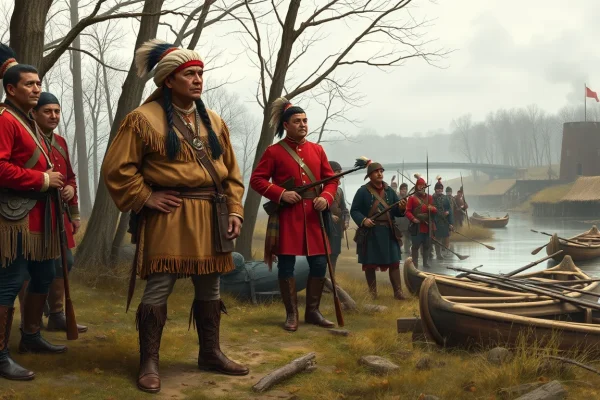
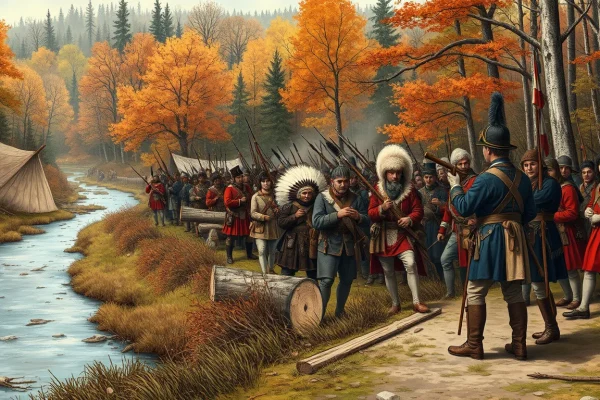
Indigenous Allies at the Battle of Châteauguay

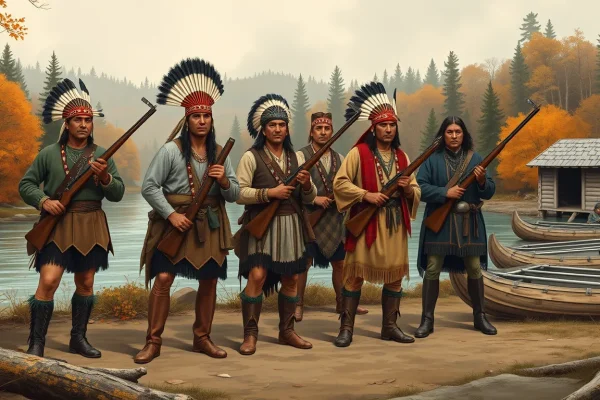
Indigenous allies, including Mohawk, Algonquin, Huron-Wendat, and Abenaki warriors, fought with British and Canadian forces at the Battle of Châteauguay on October 26, 1813. Their participation formed part of a wider Indigenous-British alliance that helped stop an American advance on Montreal during the War of 1812. The engagement illustrates both the military role and the strategic agency of Indigenous nations in the conflict.

Read More →

David Porter’s Post-War Career and Naval Legacy

Commodore David Porter (1780–1843), the War of 1812 commander of the frigate USS Essex, spent his post-war years on the Board of Navy Commissioners, in command of the West India Squadron against Caribbean piracy, at the head of Mexico’s navy, and as U.S. chargé d’affaires at Constantinople. His court-martial over the Fajardo affair and the naval dynasty he founded — including adopted son David Glasgow Farragut and son David Dixon Porter — shaped both the peacetime navy and its public memory.

Read More →

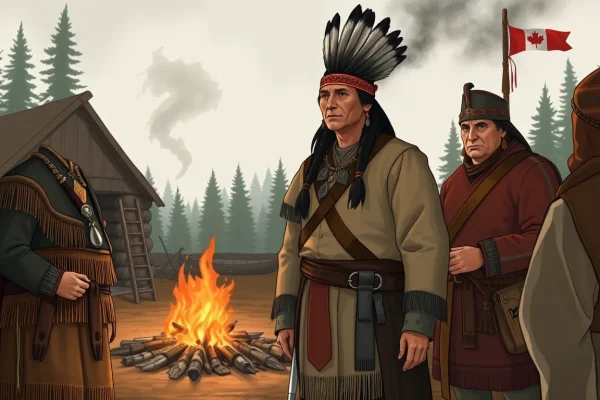
How Did the Seven Nations of Canada Participate in the War of 1812?

The Seven Nations of Canada, a confederation of Catholic First Nations communities along the St. Lawrence River, participated in the War of 1812 mainly as British allies in Lower Canada and the St. Lawrence frontier. Warriors from Kahnawake, Akwesasne, Kanesatake, Odanak, Bécancour, and Wendake served as scouts, skirmishers, boatmen, and defenders, notably at Châteauguay and Crysler’s Farm. Their participation was community-based rather than directed by a single centralized war council, and it helped delay American advances on Montreal while deepening their reliance on British protection.

Read More →

The British Indian Department: Organizing Indigenous Alliances

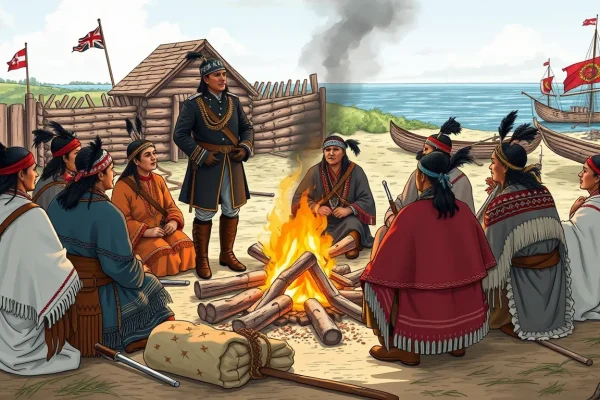
The British Indian Department was established in 1755 to manage relations between the British Crown and First Nations. During the War of 1812, its officers organized Indigenous alliances that supplied warriors, intelligence, and military support to British and Canadian forces. The wartime alliance helped defend Canada and shaped the department’s later role in administering reserves and Indigenous affairs.

Read More →

What Happened to Free Men of Color After the War of 1812?

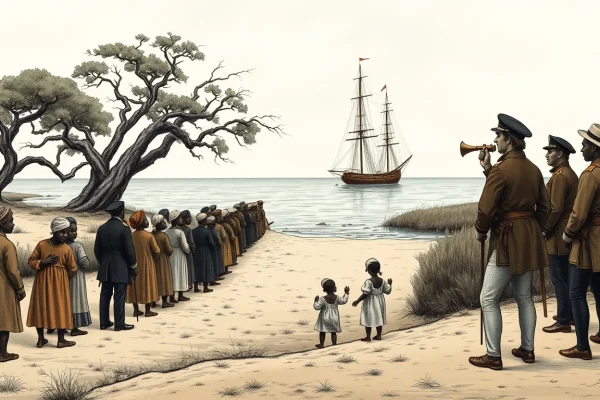
After the War of 1812, free men of color in the United States saw few of the rights they had hoped loyal service would bring, and many faced new legal restrictions. Several thousand Black people who escaped to British lines were evacuated as free settlers to Bermuda, Nova Scotia, New Brunswick, Trinidad, and Sierra Leone, while Article I of the Treaty of Ghent produced a British-American claims dispute over carried-away people that was not closed until 1828.

Read More →

Tecumseh’s Role in the War of 1812

Tecumseh (c. 1768–1813), the Shawnee war leader who built an intertribal confederacy in the Old Northwest, allied with Great Britain after the United States declared war in June 1812. He helped break the first American invasion of Upper Canada, contributed to the surrender of Fort Detroit, fought at Fort Meigs, and was killed at the Battle of the Thames on 5 October 1813. His death ended the confederacy’s most serious attempt to win a recognized Indigenous territory between the United States and British North America.

Read More →

Tecumseh: The Visionary Leader of the Pan-Indian Confederacy

Tecumseh (c. 1768–1813) was a Shawnee war leader and diplomat who built a pan-Indigenous confederacy to resist American expansion. During the War of 1812 he allied with Great Britain and helped capture Detroit before his death at the Battle of the Thames. His confederacy collapsed after his death, but his vision of Indigenous unity and sovereignty became a lasting historical legacy.

Read More →