What Happened to the American Generals Captured at Stoney Creek?

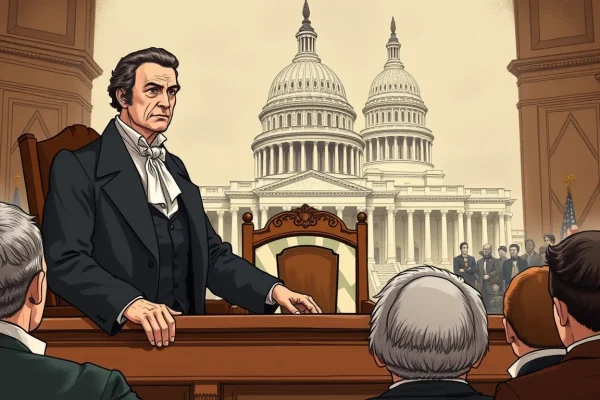
Brigadier Generals John Chandler and William H. Winder of the United States Army were captured by British troops during a night attack at Stoney Creek, Upper Canada, on 5-6 June 1813. Both were taken prisoner along with the American artillery, held in British custody, and eventually exchanged back to American service. Their loss crippled the American command and ended the 1813 American advance along the Niagara Peninsula.
Read More →

How Did Tecumseh’s 1811 Visit Influence the Creek War?

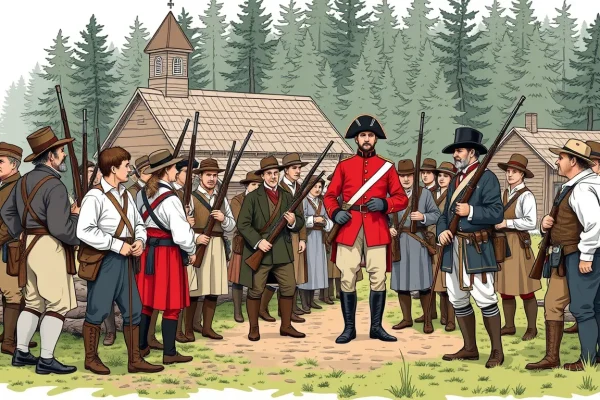
In 1811, Shawnee leader Tecumseh traveled to Creek country to build a pan-Indigenous alliance against U.S. expansion. His speeches at Tuckabatchee and other towns helped inspire the Red Stick faction, which fought the Creek War (1813–1814) as part of the wider War of 1812. Historians agree the visit was a catalyst, but debate how much it caused a conflict rooted in land loss, internal Creek divisions, and American expansion.

Read More →

What Role Did Benjamin Hawkins Play in the Creek War?

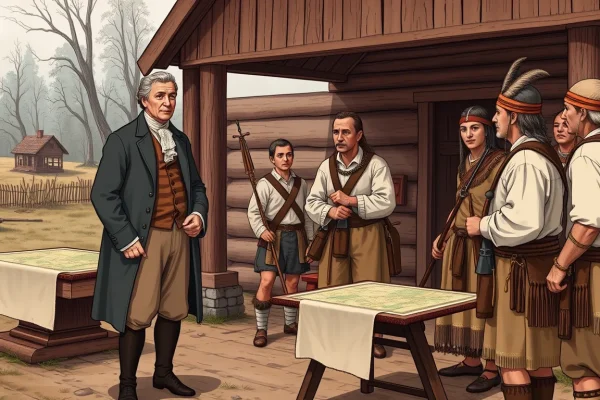
Benjamin Hawkins was the U.S. principal Indian agent for the Southeast and the federal government’s chief representative to the Creek Nation during the Creek War of 1813–1814. He sought to prevent war, keep friendly Creeks aligned with the United States, provide intelligence, and mediate the settlement that became the Treaty of Fort Jackson. His role was diplomatic and administrative rather than military, though his influence declined as the conflict escalated.

Read More →

The Canadian Militia: Citizen Soldiers in Defense of Upper Canada

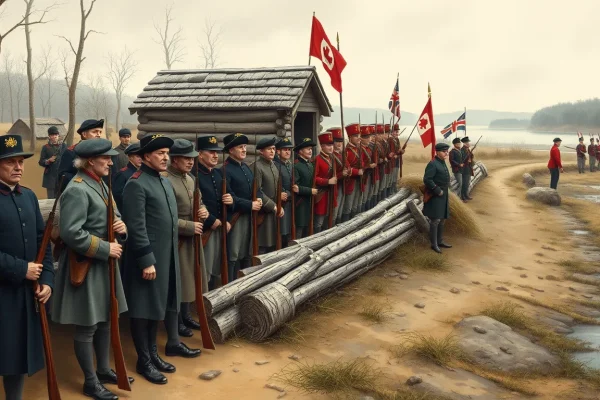
The Canadian militia in Upper Canada during the War of 1812 was a compulsory system of part-time citizen soldiers who defended the colony alongside British regulars and Indigenous allies. Their service ranged from combat to labour, but post-war glorification created the ‘Militia Myth’ that overstated their role. Historians continue to debate the militia’s true contribution and the myth’s lasting impact on Canadian identity.

Read More →

Lyncoya: The Creek Child Adopted by Andrew Jackson

Lyncoya (c. 1812–1828) was a Muscogee (Creek) child orphaned during the November 3, 1813, Battle of Tallushatchee in the Creek War, part of the wider War of 1812. He was taken into Andrew Jackson’s household at the Hermitage, educated, and apprenticed to a Nashville saddler before dying of tuberculosis in 1828. His life is central to understanding the violence of the Creek War and the political use of Jackson’s adoption of him.

Read More →

Sir George Prévost: Britain’s Commander in Chief in Canada

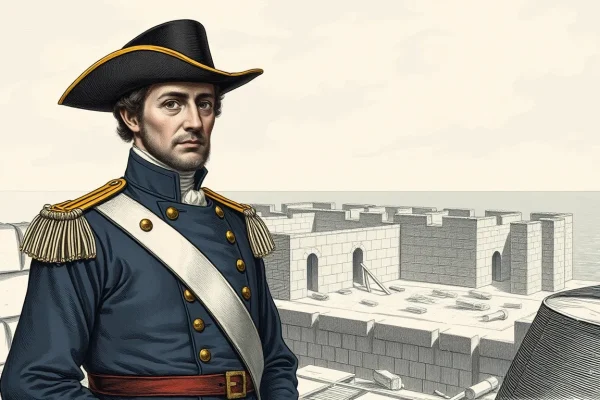
Sir George Prévost (1767–1816) was a British Army officer and governor-in-chief of British North America who commanded British forces in Canada during the War of 1812. He pursued a defensive strategy that helped preserve Lower and Upper Canada but was criticized for the failed 1814 Plattsburgh campaign. His legacy remains debated between his administrative success and battlefield caution.

Read More →