Why Did Andrew Jackson Launch a Night Attack on December 23, 1814?

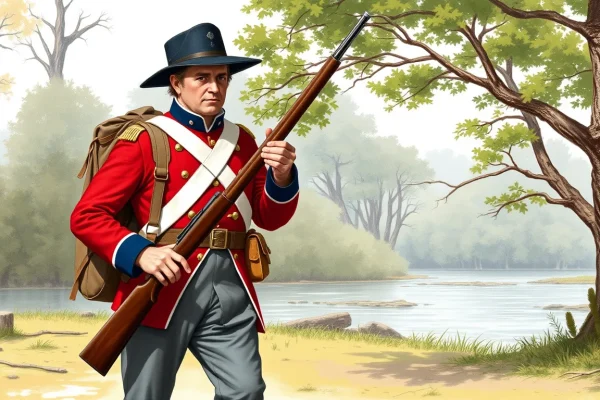
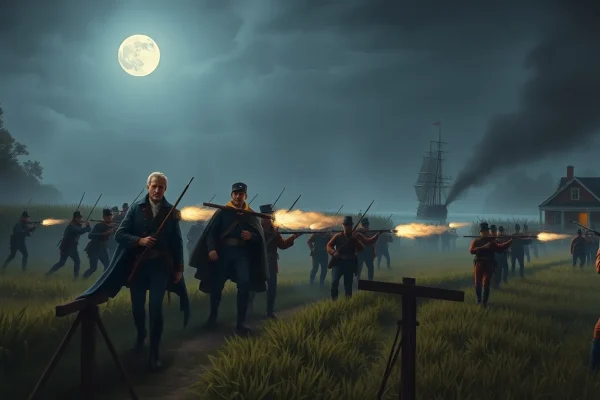
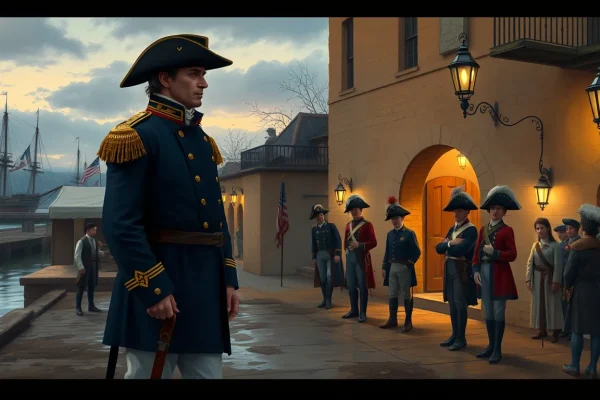
On December 23, 1814, Andrew Jackson launched a preemptive night attack against the advanced British army near New Orleans. He hoped to disrupt the British advance, exploit surprise and darkness, and buy time to fortify the Rodriguez Canal. The engagement was tactically inconclusive but strategically important because it delayed the British and shaped the defense of New Orleans.
Read More →

Andrew Jackson’s Proclamation of Martial Law in New Orleans

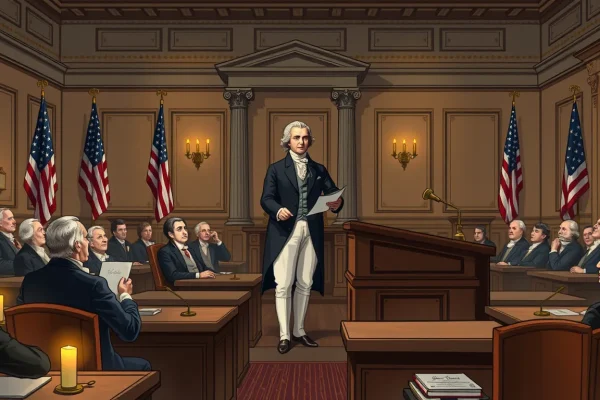
On December 16, 1814, Major General Andrew Jackson declared martial law in New Orleans as British forces threatened the Gulf Coast. His general orders suspended civil authority, restricted movement, and imposed a curfew. Although imposed for military security, martial law remained after the British withdrawal and led to the arrest of a state senator and a federal judge, culminating in a contempt fine against Jackson.

Read More →

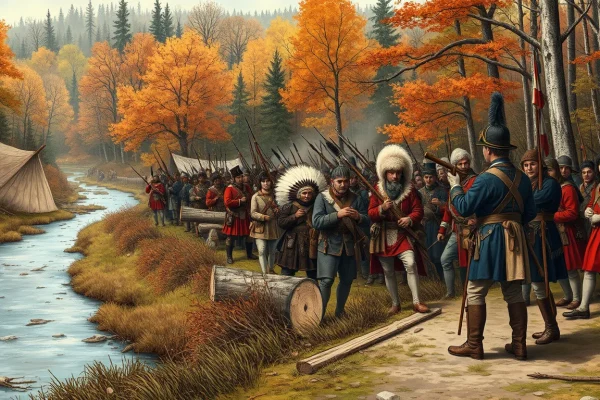
Oneida Warriors in the War of 1812: Allies and Contributions

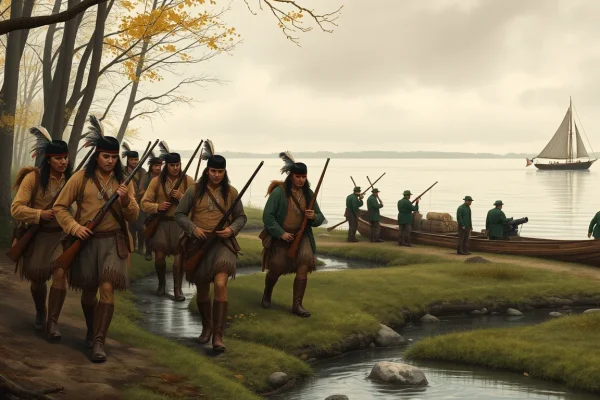
Oneida warriors of the Haudenosaunee Confederacy served alongside the United States throughout the War of 1812, acting as scouts, guides, and escorts on the Lake Ontario frontier. Their most documented action came on 30 May 1814 at Big Sandy Creek, where about 130 Oneida fighters helped ambush and capture a British naval detachment under Captain Stephen Popham. Their service illustrates both the military value of Indigenous alliances and the limited rewards those alliances produced afterward.

Read More →

Sir George Prévost: Britain’s Commander in Chief in Canada

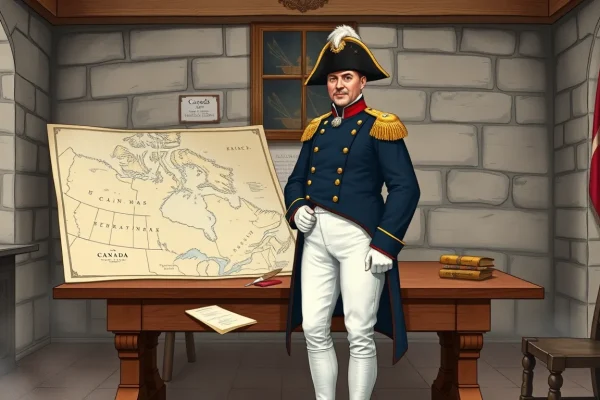
Sir George Prévost (1767–1816) was a British Army officer and governor-in-chief of British North America who commanded British forces in Canada during the War of 1812. He pursued a defensive strategy that helped preserve Lower and Upper Canada but was criticized for the failed 1814 Plattsburgh campaign. His legacy remains debated between his administrative success and battlefield caution.

Read More →

Sir George Prevost: The British General Who Failed at Plattsburgh

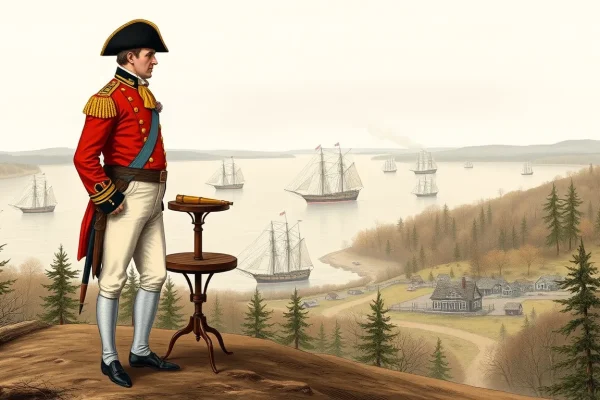
Sir George Prevost was the British governor-in-chief and commander-in-chief in North America during the War of 1812. In September 1814 he led the last major British offensive of the war against Plattsburgh, New York, then withdrew after his naval squadron was destroyed on Lake Champlain. His reputation remains contested between critics who call the campaign a failure of command and historians who credit him with preserving the Canadas.

Read More →

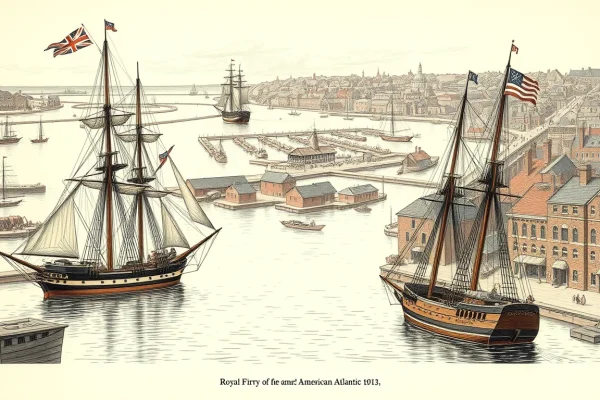
How Did the British Blockade Affect American Coastal Cities During the War of 1812?

The British blockade of the American coast began informally in 1812 and expanded until it covered most major ports by 1814. It shut down foreign and coastal trade, collapsed customs revenue, idled waterfront labor, and forced the U.S. government to borrow heavily. The blockade also enabled British raids and shaped the war’s economic outcome, though its severity varied by region and was debated by historians.

Read More →

Indigenous Allies at the Battle of Châteauguay

Indigenous allies, including Mohawk, Algonquin, Huron-Wendat, and Abenaki warriors, fought with British and Canadian forces at the Battle of Châteauguay on October 26, 1813. Their participation formed part of a wider Indigenous-British alliance that helped stop an American advance on Montreal during the War of 1812. The engagement illustrates both the military role and the strategic agency of Indigenous nations in the conflict.

Read More →