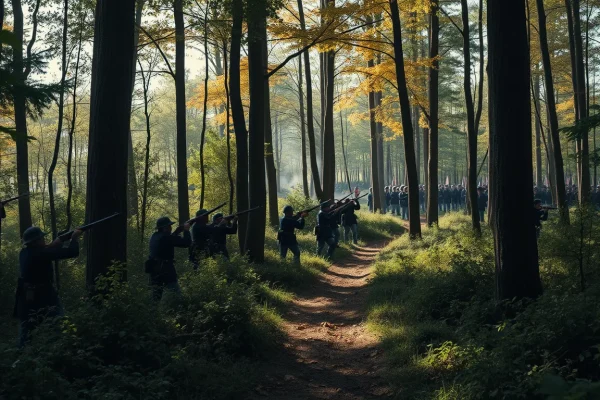
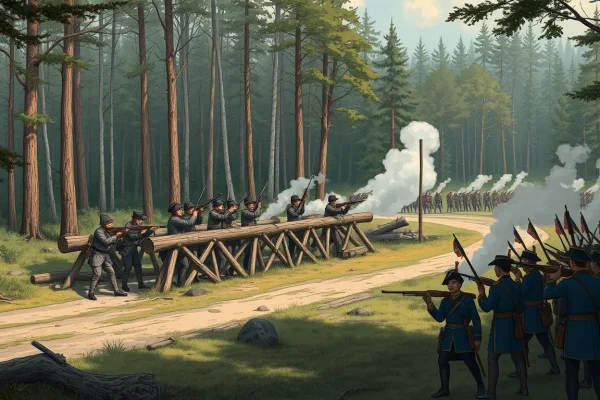
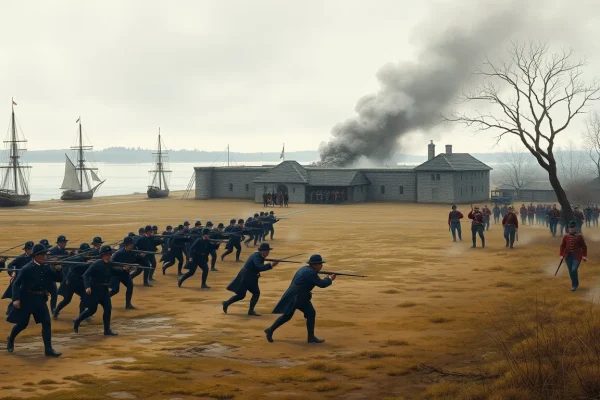
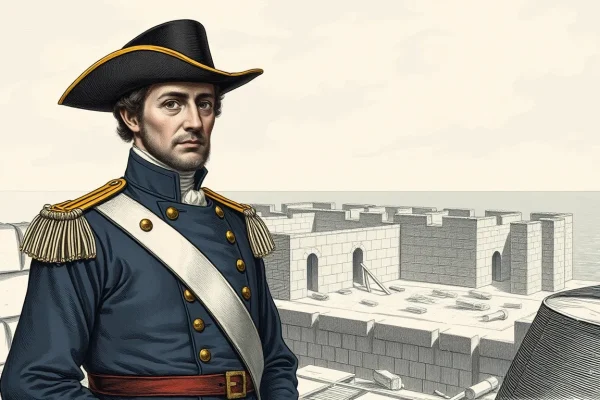
What Happened on the West Bank During the Battle of New Orleans?

On 8 January 1815, a British force under Colonel William Thornton crossed the Mississippi and captured the American batteries on the right (west) bank opposite Chalmette. The attack succeeded, but it came so late that it had no effect on the main battle, where the British assault on the east bank was destroyed. The episode is a study in how timing can make a tactical victory strategically worthless.

Read More →

The Chesapeake-Leopard Affair: A Spark of War

The Chesapeake-Leopard Affair was a naval incident on June 22, 1807, when HMS Leopard attacked and boarded USS Chesapeake off Norfolk, Virginia, searching for Royal Navy deserters. The attack killed and wounded American sailors, seized four alleged deserters, and provoked a diplomatic crisis. It became a major grievance in the years before the War of 1812, intensifying American anger over impressment and neutral rights.

Read More →

Rush-Bagot Agreement (1817)

The Rush-Bagot Agreement of 1817 was an exchange of diplomatic notes between the United States and Great Britain that limited naval armaments on the Great Lakes and Lake Champlain, helping to end the postwar naval race and shaping the peaceful Canada–U.S. border.

Read More →

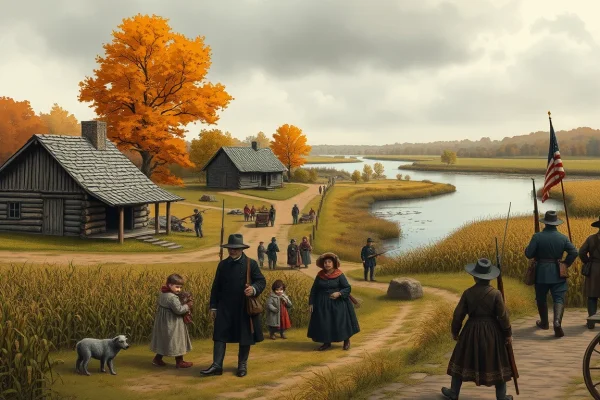
The Moravian Community at Moraviantown: How Did the War of 1812 Affect Civilian Life?

The Moravian community at Moraviantown, also called Fairfield, was a pacifist Christian Delaware settlement on the Thames River in Upper Canada. After the Battle of the Thames on October 5, 1813, American forces burned the village two days later, displacing civilians and destroying homes, farms, and mission buildings. The episode reveals how Indigenous noncombatants experienced the War of 1812 beyond the battlefield.

Read More →

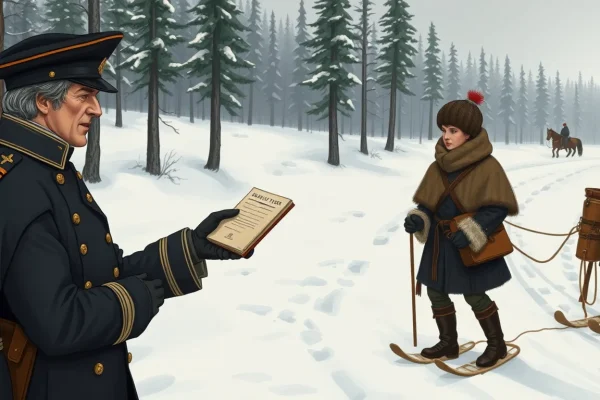
How Did British North America Learn About the End of the War of 1812?

British North America learned that the War of 1812 had ended in stages, as news of the Treaty of Ghent moved from London and Ghent to Halifax and then inland by dispatch rider, naval packet, and newspaper between roughly late January and April 1815. Because the treaty took effect only after ratification by both governments, official word, practical ceasefire orders, and the ratified text itself arrived at different times in different places.

Read More →

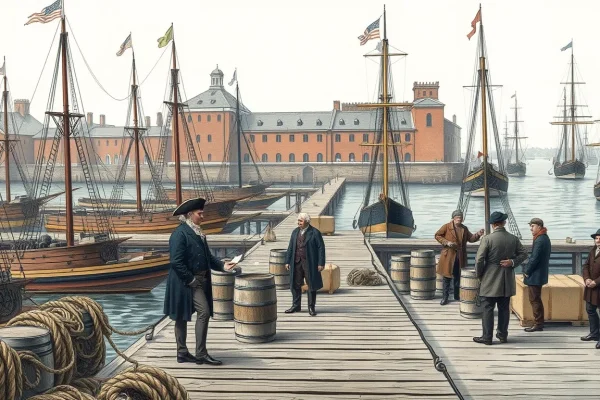
The Embargo Act of 1807: Why Did Jefferson’s Trade Ban Fail?

The Embargo Act of 1807 barred American ships from clearing for foreign ports, an attempt to coerce Britain and France into respecting neutral rights without war. It failed to change European policy, was widely evaded, and badly damaged the American economy. Its repeal in 1809 led to further failed commercial measures and helped set the United States on the road to war in 1812.

Read More →

The Battle of York (1813): How Did the Powder Magazine Explosion Change the War?

The Battle of York, fought on 27 April 1813, ended in an American victory over the British garrison of Upper Canada’s capital. The detonation of the fort’s powder magazine killed or wounded hundreds of men and mortally injured Brigadier General Zebulon Pike, and it triggered the sack of York. The episode shaped American morale, British reprisal policy, and the debate over how much the battle really mattered.

Read More →