The Battle of Sackets Harbor (1813): The Defense of the American Naval Base

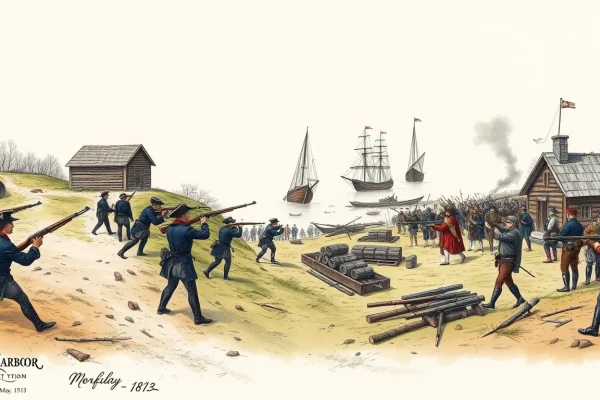
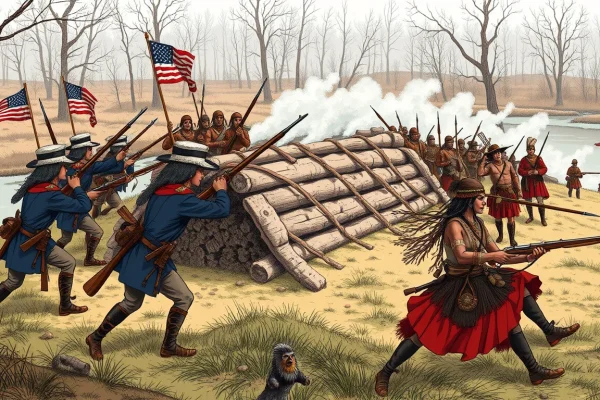
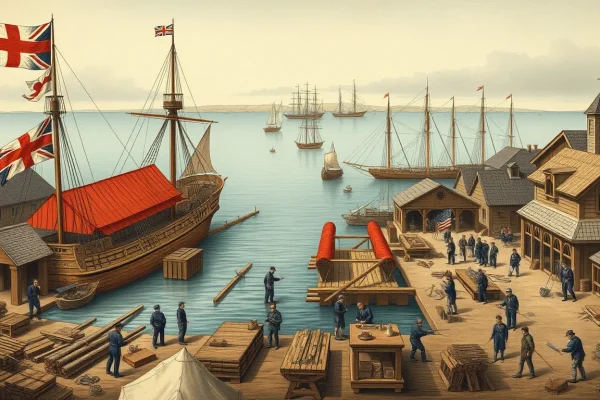
The Battle of Sackets Harbor on 29 May 1813 was a British and Canadian raid on the U.S. Navy’s main shipyard on Lake Ontario. A force under Sir George Prevost landed on Horse Island and was repelled by American regulars and New York militia under Brigadier General Jacob Brown, but fires set in the panic destroyed naval stores and damaged the unfinished sloop-of-war General Pike.

Read More →

The Capture of the Cayahoga: How Hull’s Dispatches Fell into British Hands

In early July 1812, British and Provincial Marine forces at Amherstburg, Upper Canada, seized the American transport schooner Cayahoga (commonly spelled Cuyahoga). Aboard were the baggage and official papers of Brigadier General William Hull, whose captured dispatches gave the British both news of the American declaration of war and a detailed picture of the army advancing on Detroit.

Read More →

The Treaty of Greenville and Its Legacy for Indigenous Lands

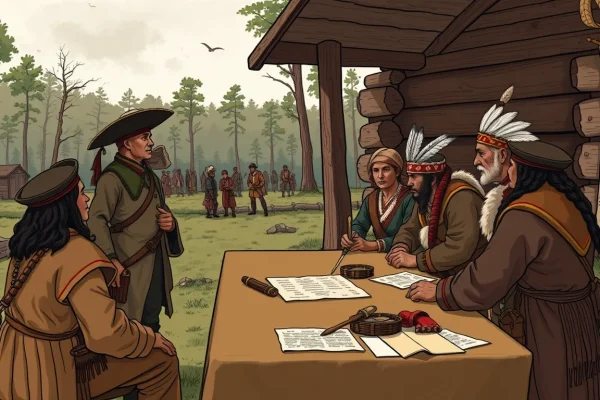
The Treaty of Greenville, signed on August 3, 1795, ended the Northwest Indian War between the United States and a coalition of Indigenous nations. It ceded much of present-day Ohio and strategic posts to the United States, established an annuity system, and created an uneasy peace. Its legacy shaped Indigenous land loss, resistance, and alliances in the years leading to the War of 1812.

Read More →

Siege of Fort Erie: The Aftermath of the Battle of Lundy’s Lane

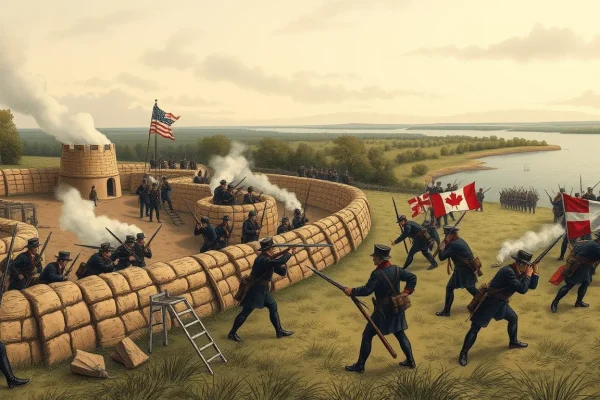
The Siege of Fort Erie (August 4–September 21, 1814) was the British attempt to recapture Fort Erie after the American retreat from the Battle of Lundy’s Lane. The British assault failed with heavy losses, and the Americans held the fort until they abandoned and destroyed it on November 5, 1814. The siege ended the last major American offensive on the Niagara frontier and contributed to the military stalemate of the War of 1812.

Read More →

The Battle of Horseshoe Bend Explained

The Battle of Horseshoe Bend, fought on March 27, 1814, in present-day Alabama, was a decisive U.S. victory over Red Stick Creek warriors during the Creek War, a conflict tied to the War of 1812. It ended organized Red Stick resistance, led to the Treaty of Fort Jackson, and made Andrew Jackson a national figure.

Read More →

The Embargo Act of 1807 Explained

The Embargo Act of 1807 was a U.S. law that prohibited American ships from engaging in foreign trade, enacted December 22, 1807, under President Thomas Jefferson. It was intended to pressure Britain and France to respect American neutral rights during the Napoleonic Wars. The policy failed to change European conduct, severely damaged American commerce, and contributed to the tensions that led to the War of 1812.

Read More →

David Porter’s Post-War Career and Naval Legacy

Commodore David Porter (1780–1843), the War of 1812 commander of the frigate USS Essex, spent his post-war years on the Board of Navy Commissioners, in command of the West India Squadron against Caribbean piracy, at the head of Mexico’s navy, and as U.S. chargé d’affaires at Constantinople. His court-martial over the Fajardo affair and the naval dynasty he founded — including adopted son David Glasgow Farragut and son David Dixon Porter — shaped both the peacetime navy and its public memory.

Read More →

How Did Battle Reports Portray Indigenous Allies on Each Side?

During the War of 1812, battle reports from American and British commanders offered sharply contrasting images of Indigenous allies: British reports often praised their skill and courage, while American reports frequently depicted them as fearsome savages. These portrayals shaped public opinion, influenced military policy, and left a lasting legacy in historical memory.

Read More →

How Did the Seven Nations of Canada Participate in the War of 1812?

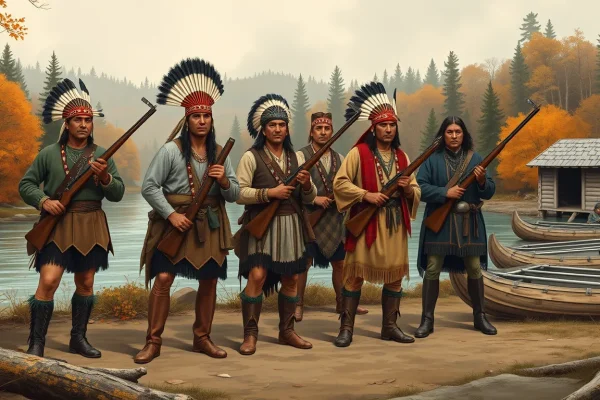
The Seven Nations of Canada, a confederation of Catholic First Nations communities along the St. Lawrence River, participated in the War of 1812 mainly as British allies in Lower Canada and the St. Lawrence frontier. Warriors from Kahnawake, Akwesasne, Kanesatake, Odanak, Bécancour, and Wendake served as scouts, skirmishers, boatmen, and defenders, notably at Châteauguay and Crysler’s Farm. Their participation was community-based rather than directed by a single centralized war council, and it helped delay American advances on Montreal while deepening their reliance on British protection.

Read More →