The Battle of the Thames in Indigenous Memory

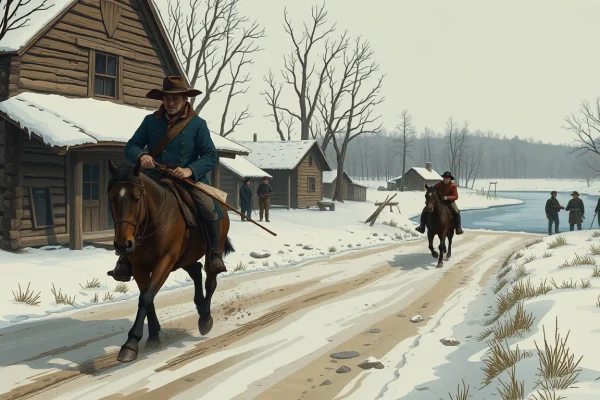
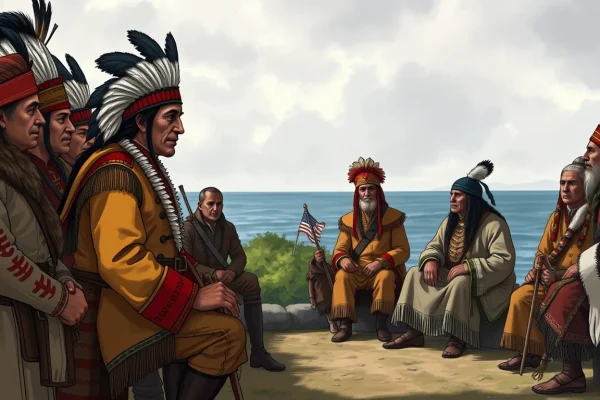
The Battle of the Thames (October 5, 1813) was a decisive American victory in the War of 1812, but for many Indigenous nations it is remembered above all as the battle in which Shawnee leader Tecumseh was killed and his confederacy broke apart. This article examines how oral traditions, family histories, commemorations, and scholarly interpretations have shaped Indigenous memory of the battle and its aftermath.
Read More →

Life in Occupied Detroit: 1812–1813

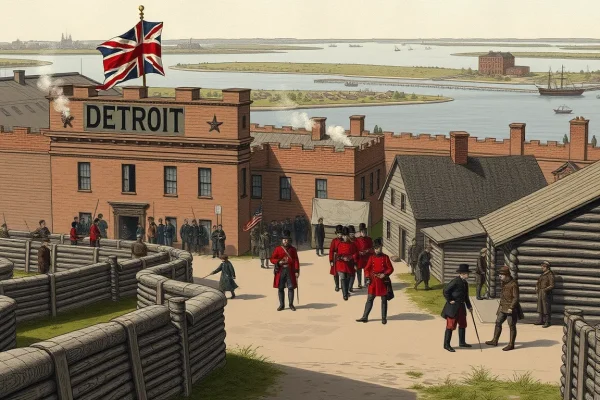
From August 1812 to September 1813, the British occupied Detroit, Michigan Territory, following the surrender of General William Hull. Life in the town was marked by martial law, disrupted trade, and the presence of British regulars and Indigenous allies, until American forces reoccupied it after the Battle of Lake Erie.

Read More →

How Did the News of the Treaty of Ghent Reach the Frontier?

After the Treaty of Ghent was signed on December 24, 1814, news of peace crossed the Atlantic by ship and then moved through New York, Washington, and the frontier by express riders, post roads, newspapers, and military couriers. The delay meant that battles such as New Orleans and Fort Bowyer were fought before word arrived. This article explains the routes, timings, and limits of that communication.

Read More →

How Did British Naval Strategy on Lake Ontario Leave Lake Erie Vulnerable?

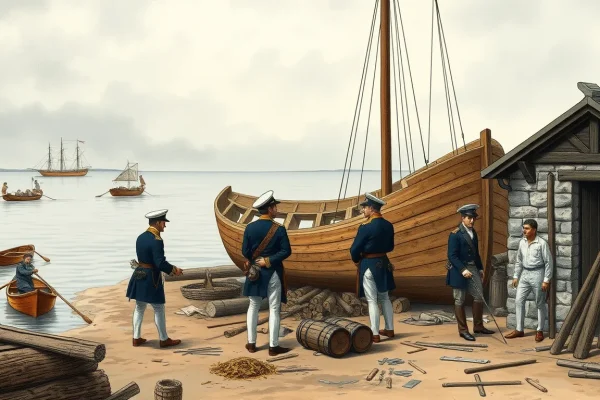
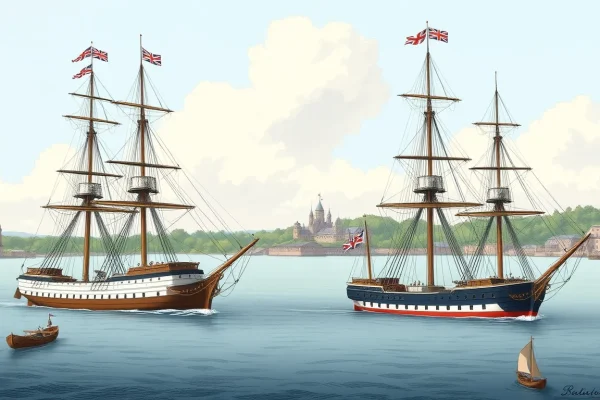
British naval strategy in the War of 1812 made Kingston on Lake Ontario the centre of the Royal Navy’s lake establishment and kept trained seamen, guns, and stores there. The Lake Erie squadron at Amherstburg under Captain Robert Heriot Barclay was left too weak to prevent Oliver Hazard Perry’s American squadron from building, getting onto the lake, and destroying it on 10 September 1813.

Read More →

The Impact of Food Shortages on the American Campaign of 1812

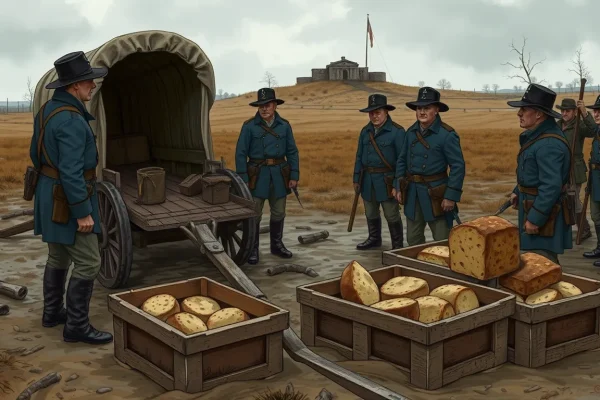
Food shortages severely hampered the American campaign during the War of 1812, contributing to failed invasions of Canada, low morale, and disease. The U.S. Army’s inefficient supply system, geographic challenges, and reliance on unreliable contractors left soldiers hungry and operations crippled. These shortages played a key role in American military failures and spurred postwar logistical reforms.

Read More →

Battle of Lake Erie: Perry’s Victory and Its Strategic Impact

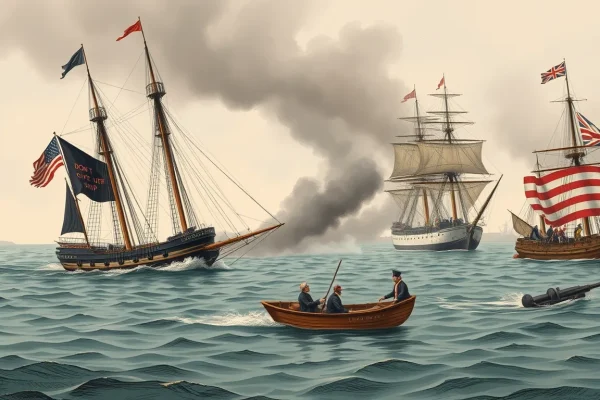
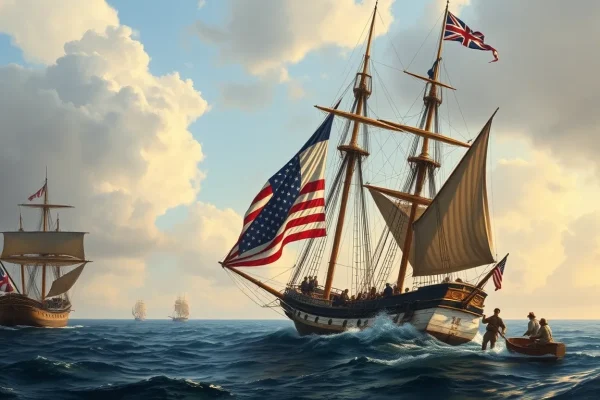
The Battle of Lake Erie, fought on September 10, 1813, was a decisive American naval victory in the War of 1812. Master Commandant Oliver Hazard Perry’s squadron defeated Commander Robert Heriot Barclay’s British force near Put-in-Bay, Ohio. The victory gave the United States control of Lake Erie, severed British supply lines to the Northwest, and enabled the recapture of Detroit and the Battle of the Thames.

Read More →

HMS Prince Regent and HMS Princess Charlotte: Britain’s Superfrigates on Lake Ontario

HMS Prince Regent and HMS Princess Charlotte were British frigates built at Kingston, Upper Canada, and launched in April 1814 for service on Lake Ontario. They were among the most powerful British warships on the lake until HMS St. Lawrence, and they formed part of Commodore James Lucas Yeo’s squadron during the War of 1812. Their careers reflect the Anglo-American naval arms race on the Great Lakes, and their wrecks in Kingston Harbour are now part of a National Historic Site.

Read More →