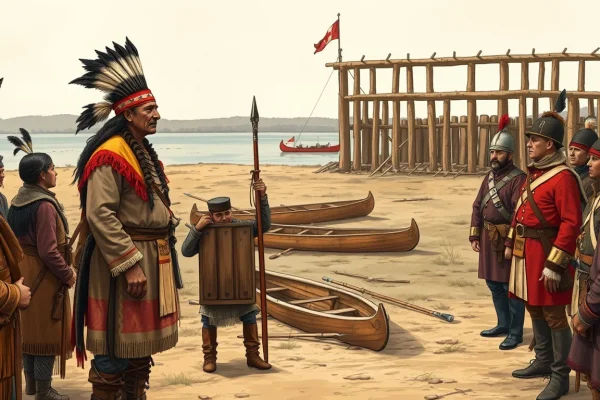
Tecumseh’s Role in the War of 1812

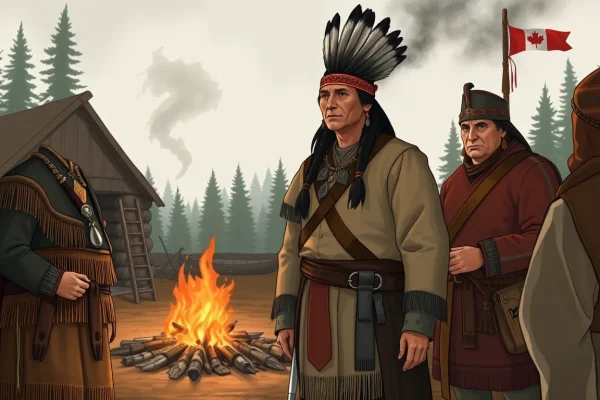
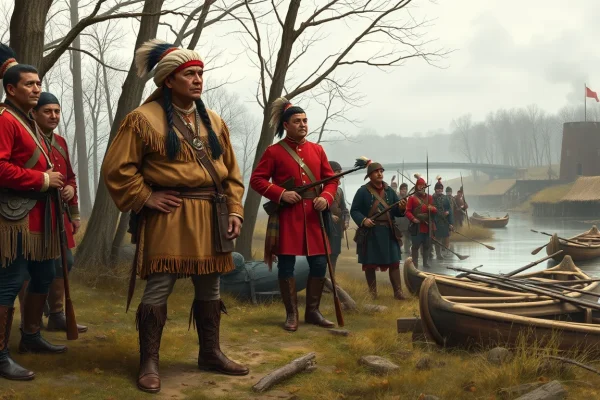
Tecumseh (c. 1768–1813), the Shawnee war leader who built an intertribal confederacy in the Old Northwest, allied with Great Britain after the United States declared war in June 1812. He helped break the first American invasion of Upper Canada, contributed to the surrender of Fort Detroit, fought at Fort Meigs, and was killed at the Battle of the Thames on 5 October 1813. His death ended the confederacy’s most serious attempt to win a recognized Indigenous territory between the United States and British North America.
Read More →

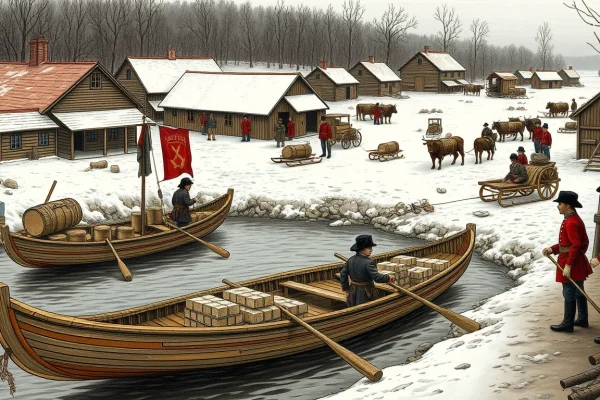
How Did the British Commissariat Supply Its Forces in Canada During the War of 1812?

The British Commissariat supplied British, Canadian, and Indigenous forces in Canada during the War of 1812 by contracting for food, forage, and transport, moving stores by bateaux and lake vessels, and issuing regulated rations. Its work shaped strategy, limited offensives, and helped prevent the collapse of British North America despite chronic shortages.

Read More →

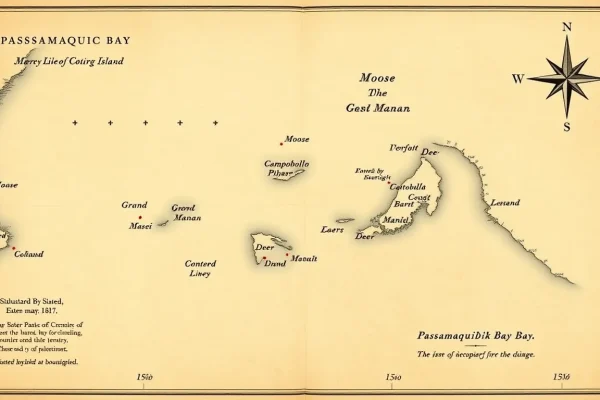
The Passamaquoddy Bay Islands Dispute: A Forgotten Border Issue of the War of 1812

The Passamaquoddy Bay Islands Dispute was a territorial disagreement between the United States and Great Britain over islands in Passamaquoddy Bay, resolved under Article IV of the Treaty of Ghent in 1817. The decision awarded Moose, Dudley, and Frederick Islands to the United States and all other islands, including Grand Manan, to Great Britain. Though often overlooked, it exemplifies how the War of 1812’s peace treaty addressed long-standing boundary questions.

Read More →

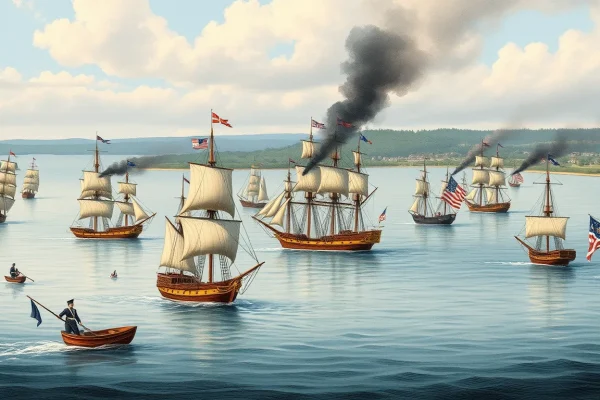
The Battle of Lake Champlain in British Memory: How Was the Defeat Explained in London?

The Battle of Lake Champlain, or Plattsburgh, was an American victory on 11 September 1814. In London, the British defeat was explained not as a national catastrophe but as a local failure of an improvised squadron, a killed naval commander, and flawed army-navy coordination. This article examines official dispatches, naval courts-martial, London newspapers, and later British historiography.

Read More →

British Soldiers’ Pay and Living Conditions in the War of 1812

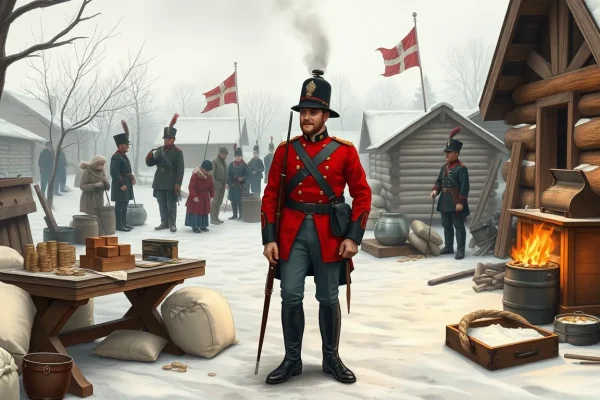
British Army regulars in the War of 1812 received about one shilling a day in gross pay, but stoppages for food, clothing, and necessaries left many privates only a few pence in cash. Their living conditions depended on barracks, huts, tents, and uncertain supply in Canada and along the American frontier. Low net pay, disease, flogging, and separation from families shaped discipline, desertion, and the army’s ability to fight.

Read More →

Tecumseh: The Visionary Leader of the Pan-Indian Confederacy

Tecumseh (c. 1768–1813) was a Shawnee war leader and diplomat who built a pan-Indigenous confederacy to resist American expansion. During the War of 1812 he allied with Great Britain and helped capture Detroit before his death at the Battle of the Thames. His confederacy collapsed after his death, but his vision of Indigenous unity and sovereignty became a lasting historical legacy.

Read More →