How Congress Voted on the War of 1812

In June 1812, the U.S. House and Senate narrowly approved the first declaration of war in American history, with the House voting 79–49 and the Senate 19–13. The votes were sharply partisan—every Federalist voted no, while a quarter of Republicans also opposed or abstained—revealing deep divisions over relations with Britain.

Read More →

Washington, D.C. During the War of 1812

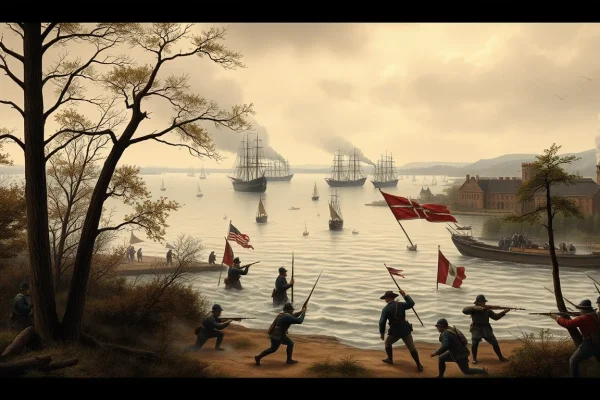
In August 1814, British forces invaded Washington, D.C., defeated American militia at the Battle of Bladensburg, and burned the Capitol, the President’s House, and other public buildings. The capture forced President Madison to flee and marked a low point for the United States, but it also hardened American resolve and became a defining moment in the War of 1812.

Read More →

Oliver Hazard Perry

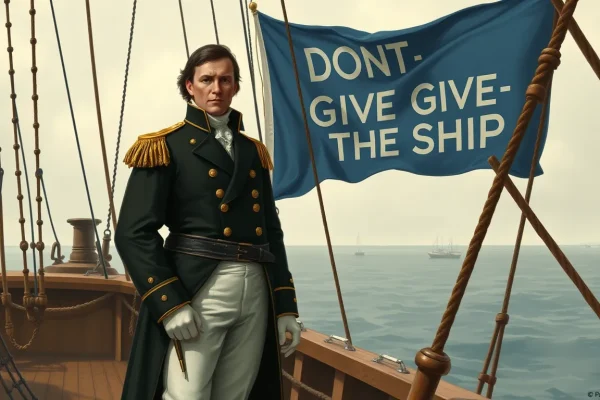
Oliver Hazard Perry (1785–1819) was a United States Navy officer who commanded American forces at the decisive Battle of Lake Erie in 1813, securing control of the lake and enabling the subsequent American victory at the Battle of the Thames.

Read More →

Battle of Plattsburgh

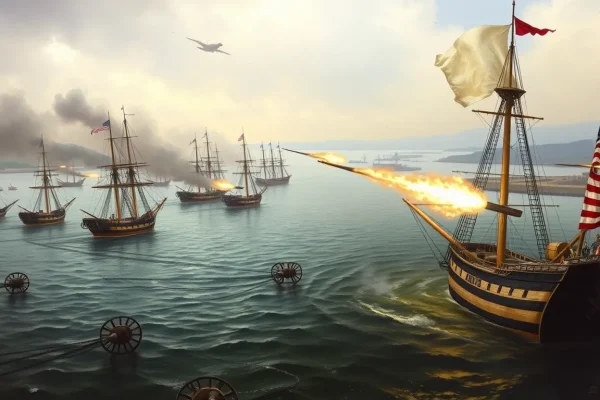
The Battle of Plattsburgh, also known as the Battle of Lake Champlain, was a decisive American victory during the War of 1812, ending the last British invasion of the northern United States and influencing the Treaty of Ghent negotiations.

Read More →