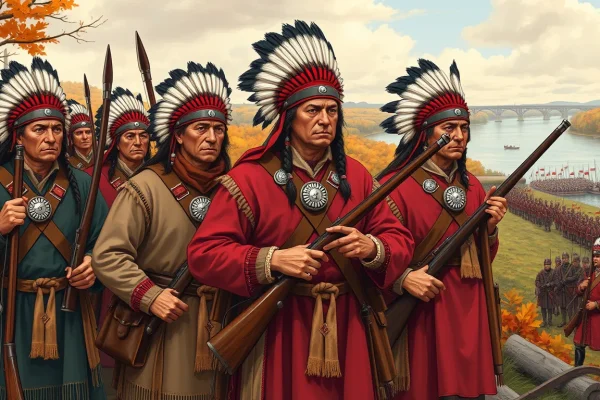
Indigenous Warriors at the Battle of Beaver Dams

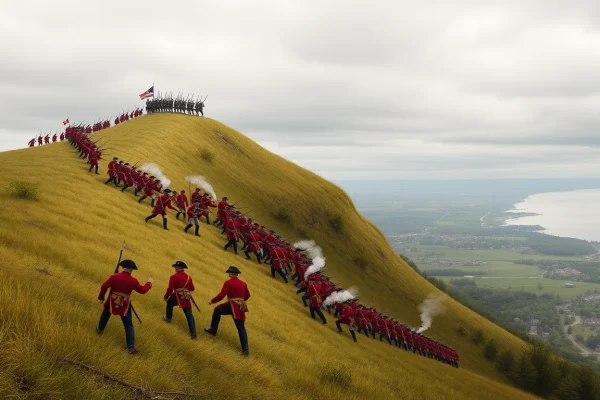
At the Battle of Beaver Dams on June 24, 1813, Kanyen’kehà:ka (Mohawk) warriors from Kahnawake and the Grand River, under British Indian Department officers, ambushed an American column near Thorold, Ontario, forcing its surrender. This victory, achieved largely through Indigenous guerrilla tactics, secured the Niagara frontier for Britain and ignited a lasting debate over who deserved credit for the battle.
Read More →

British–Indigenous Alliances During the War of 1812

British–Indigenous alliances during the War of 1812 were strategic military and diplomatic partnerships between the British Empire and various First Nations and Native American groups. These alliances were crucial to the defence of British North America, but their collapse after Tecumseh’s death led to the abandonment of Indigenous territorial claims and facilitated American expansion.

Read More →

Queenston Heights Battlefield

Queenston Heights Battlefield is a National Historic Site in Niagara-on-the-Lake, Ontario, marking the site of the October 13, 1812 Battle of Queenston Heights. The battle, a British victory, was a turning point in the War of 1812 and is notable as the place where Major-General Sir Isaac Brock was killed.

Read More →

USS Niagara in the Battle of Lake Erie

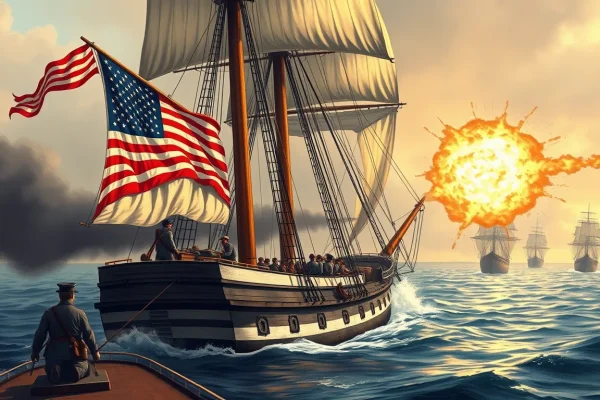
USS Niagara, a 20-gun snow-brig, served as Oliver Hazard Perry’s relief flagship during the Battle of Lake Erie on 10 September 1813. After Perry transferred from the disabled Lawrence, Niagara broke the British line and secured a decisive American victory, ensuring control of Lake Erie.

Read More →

Why Did the United States Declare War on Britain?

The United States declared war on Britain on June 18, 1812, after years of maritime impressment, trade restrictions, and perceived British support for Indigenous resistance on the frontier. The decision followed President James Madison’s war message and reflected the competing pressures of honor, expansion, and political division.

Read More →