Mohawk Warriors in the War of 1812

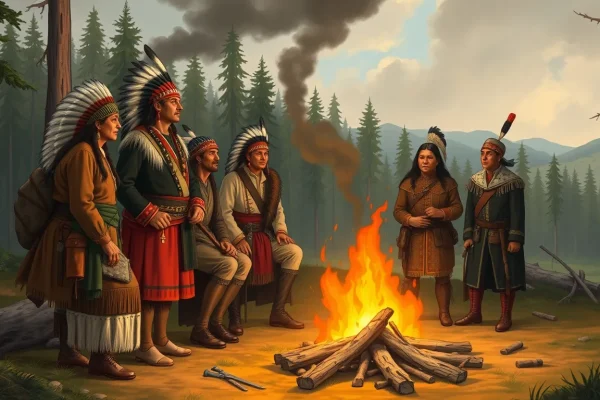
During the War of 1812, Mohawk warriors from the Grand River and other Haudenosaunee communities fought as British allies, playing critical roles in battles such as Queenston Heights and Beaver Dams. Their efforts helped defend Upper Canada but ultimately did not secure long-term Indigenous sovereignty.
Read More →

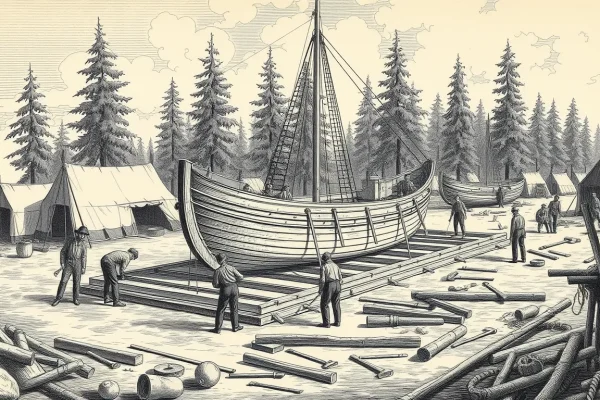
Shipbuilding During the War of 1812

Shipbuilding during the War of 1812 was a critical endeavor for both the United States and Great Britain, particularly on the Great Lakes and Lake Champlain, where control of inland waters determined military success. The war sparked a rapid naval construction race, leading to innovative ship designs and the creation of freshwater fleets that decided key battles and shaped postwar disarmament.

Read More →

James Lucas Yeo

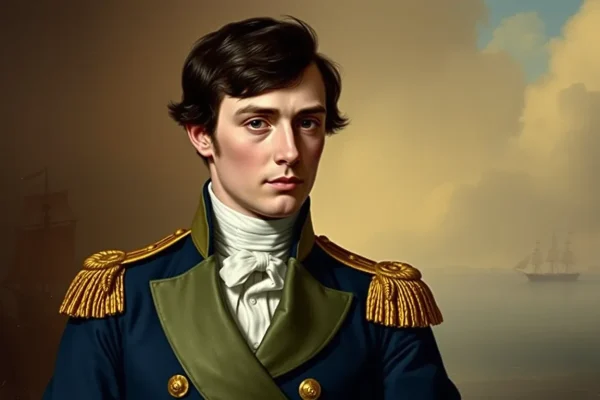
Sir James Lucas Yeo (1782–1818) was a Royal Navy officer who commanded British naval forces on Lake Ontario during the War of 1812, playing a crucial role in the struggle for control of the Great Lakes. His cautious tactics and shipbuilding helped maintain British naval presence, but his legacy remains debated among historians.

Read More →

Indigenous Resistance in the Old Northwest

Indigenous Resistance in the Old Northwest refers to the organized efforts of Native American nations to resist American expansion and preserve their lands in the region north of the Ohio River, culminating in alliances with Britain during the War of 1812. This resistance, led by figures like Tecumseh and Tenskwatawa, significantly influenced the war’s course and led to profound consequences for Indigenous peoples.

Read More →

Battle of Lake Borgne

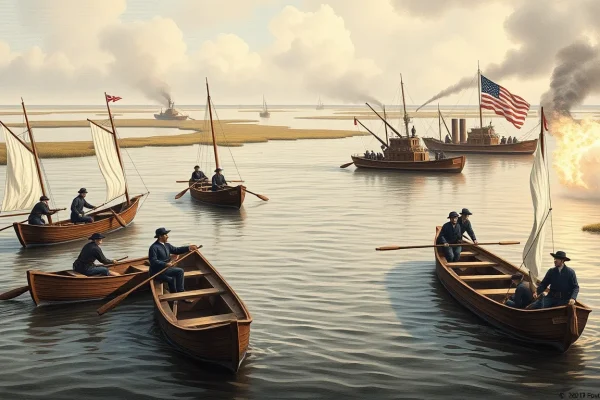
The Battle of Lake Borgne (December 14, 1814) was a naval engagement in which British ship’s boats and barges defeated a small American gunboat flotilla, clearing the way for the British approach to New Orleans during the War of 1812. The British victory removed the last naval obstacle in Lake Borgne, but the delay it caused gave American forces under Andrew Jackson additional time to prepare the defenses that would win the Battle of New Orleans.

Read More →

Chesapeake Bay During the War of 1812

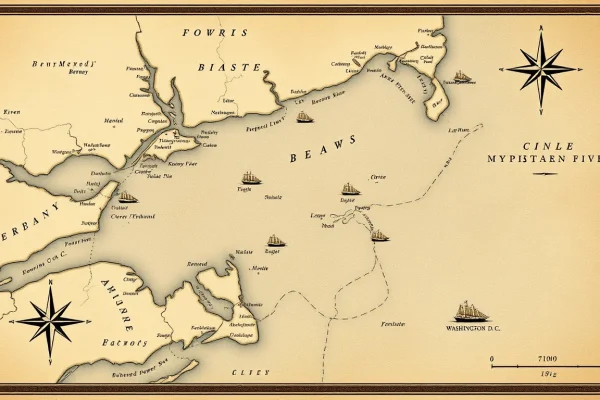
The Chesapeake Bay was a major theater of the War of 1812, subject to British blockade, raids, and a full campaign in 1814 that culminated in the burning of Washington and the defense of Baltimore. The region’s strategic importance, privateering, and role in the war shaped American identity and produced the Star-Spangled Banner.

Read More →