Andrew Jackson and the Creek War

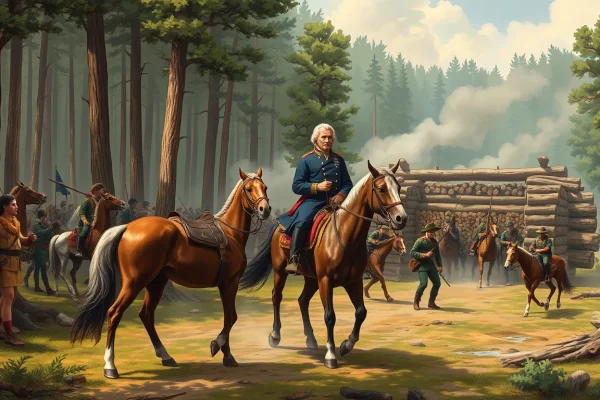
Andrew Jackson led American forces during the Creek War (1813–1814), a conflict intertwined with the War of 1812. His victory at the Battle of Horseshoe Bend broke Red Stick resistance, leading to the Treaty of Fort Jackson and the cession of millions of acres of Creek land.


Read More →

Great Lakes Campaign of 1813

The Great Lakes Campaign of 1813 was a series of naval and military operations on and around the Great Lakes, marked by the American victory at the Battle of Lake Erie, the recapture of Detroit, and the Battle of the Thames, which decisively shifted the balance of power in the Upper Canada frontier.

Read More →

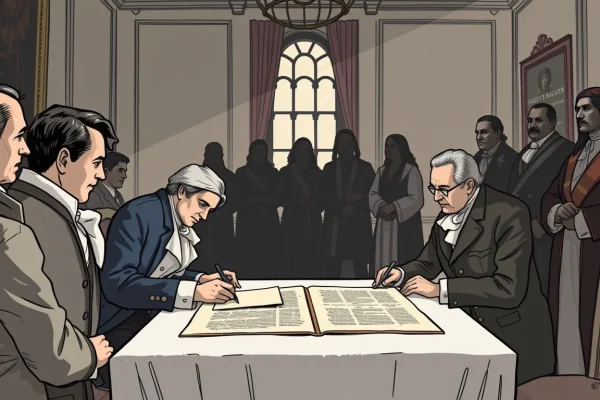
How the Treaty of Ghent Addressed Indigenous Nations

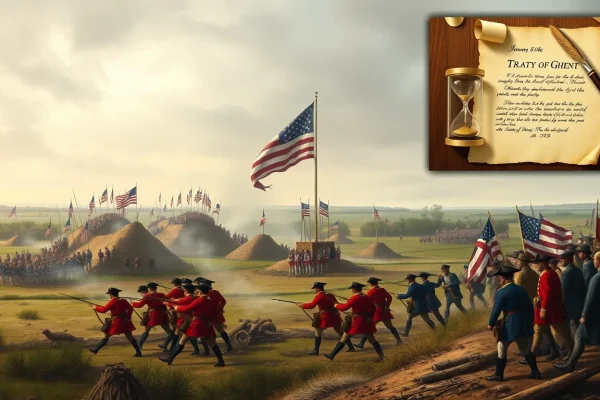
The Treaty of Ghent (1814) included Article IX, which promised to restore Indigenous peoples’ possessions, rights, and privileges to their 1811 status, but the provision was unenforced and Britain’s proposed Indigenous buffer state was dropped. This article examines the treaty’s limited and consequential treatment of Indigenous nations and its long-term impact.

Read More →

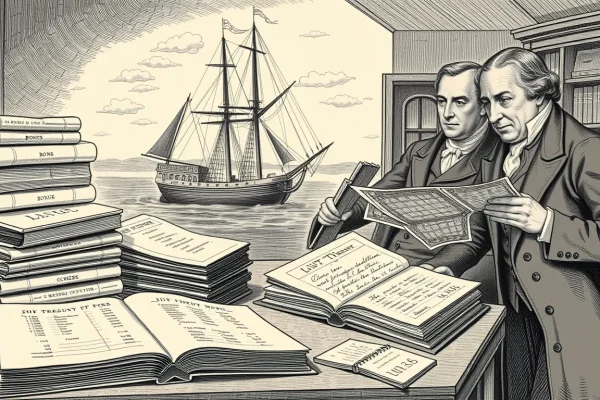
Financing the War of 1812

The War of 1812 forced the United States to improvise a wartime financial system despite a weakened federal treasury, an expired national bank charter, and reliance on customs duties. The resulting mix of loans, treasury notes, and direct taxes shaped the war effort and pushed the country toward a more centralized banking and taxation structure.

Read More →

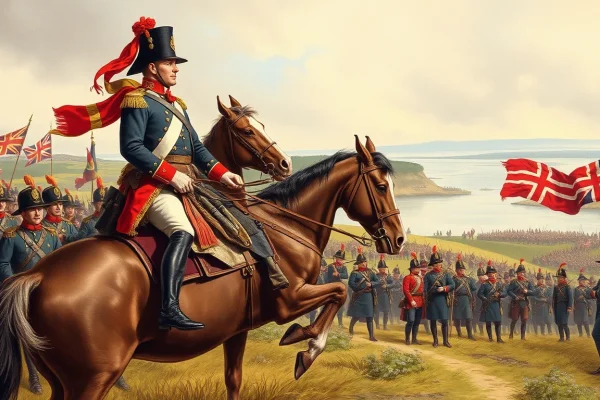
Gordon Drummond and the Niagara Campaign

Gordon Drummond, a British lieutenant general and the first Canadian-born officer to command both military and civil government in British North America, led the Niagara Campaign of 1814. His leadership at the Battle of Lundy’s Lane and the subsequent siege of Fort Erie helped repel the American invasion of Upper Canada.

Read More →

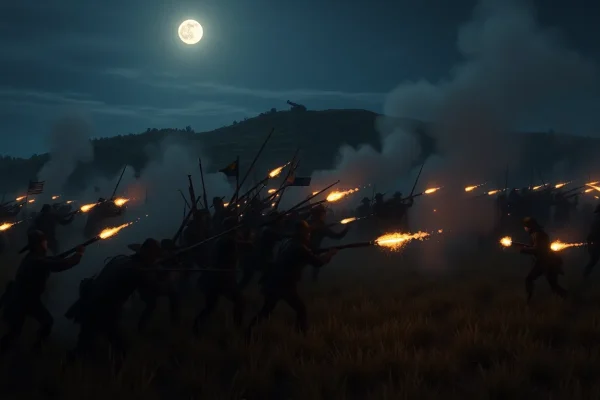
Why Was Lundy’s Lane So Bloody?

The Battle of Lundy’s Lane, fought on July 25, 1814, was one of the bloodiest engagements of the War of 1812. Its ferocity resulted from a combination of tactical miscalculations, close-range musketry and artillery fire, darkness, and the determined leadership of both sides.

Read More →

Fortifications of the War of 1812

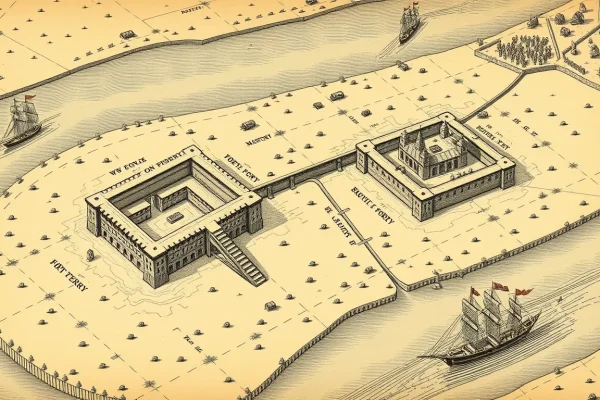
The fortifications of the War of 1812 comprised the static defenses that shaped campaigns from the Great Lakes to the Atlantic coast. These works, ranging from permanent masonry fortresses to temporary earthworks, protected strategic harbors, supply routes, and frontiers, and their condition and use influenced the outcomes of key battles and sieges. Their preservation as national historic sites reflects their enduring significance.

Read More →