Rush–Bagot Agreement and the Great Lakes

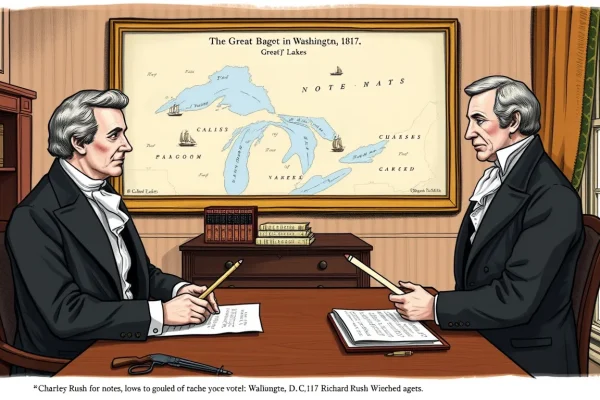
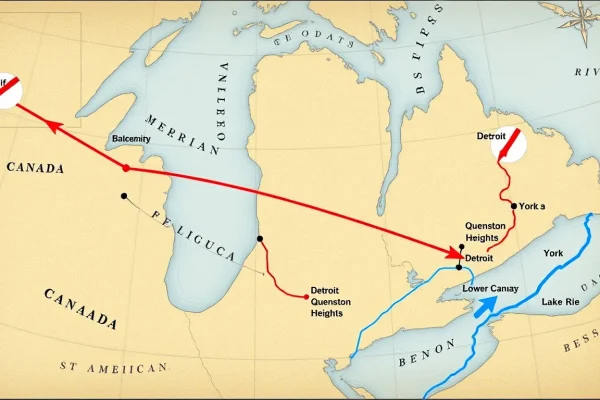
The Rush–Bagot Agreement of 1817 was an exchange of diplomatic notes between the United States and Great Britain that limited naval forces on the Great Lakes and Lake Champlain. It ended the post-War of 1812 naval arms race and became a lasting symbol of the undefended border between the United States and Canada.

Read More →

Propaganda During the War of 1812

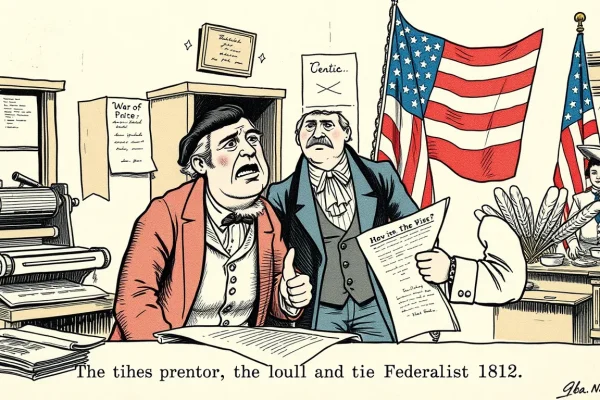
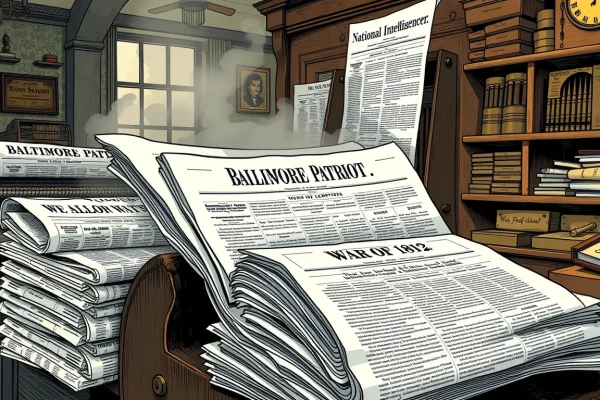
During the War of 1812, both American and British/Canadian sides used newspapers, cartoons, proclamations, and rumors to shape public opinion and bolster morale. This propaganda influenced domestic politics, military recruitment, and the broader narrative of the conflict, leaving a lasting impact on freedom of the press.

Read More →

Night Battle of December 23, 1814

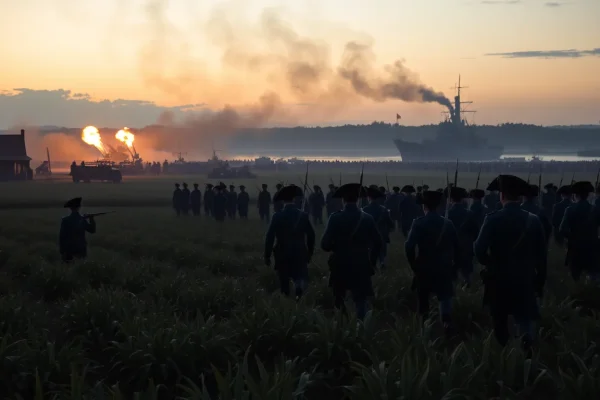
The Night Battle of December 23, 1814, was a surprise American attack on British forces that had just landed below New Orleans during the War of 1812. Andrew Jackson’s night assault, though tactically indecisive, delayed the British advance and allowed time for the construction of the defensive line that won the decisive Battle of New Orleans on January 8, 1815.

Read More →

Fort Ontario During the War of 1812

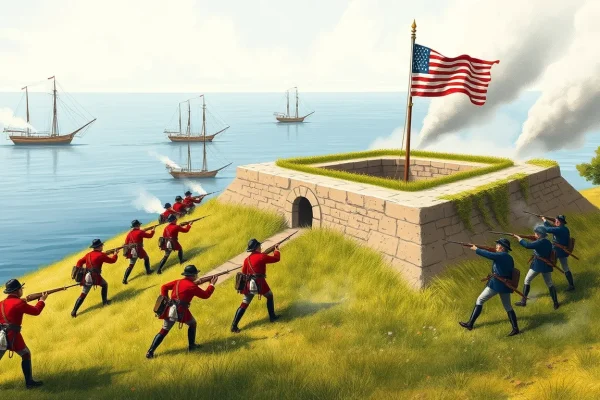
Fort Ontario guarded the harbor at Oswego, New York, a vital link in the American supply chain to Sackets Harbor. In May 1814 a British amphibious force captured the fort but failed to seize the most critical naval stores, which Lieutenant Colonel George E. Mitchell had moved upriver, blunting the strategic impact of the victory.

Read More →

Battle of Burnt Corn

The Battle of Burnt Corn, fought on July 27, 1813, was the first significant engagement of the Creek War, pitting Mississippi Territory militia against Red Stick Creeks returning from Pensacola. The Red Stick victory escalated the conflict and directly contributed to the Fort Mims massacre.

Read More →

American Privateers in the War of 1812

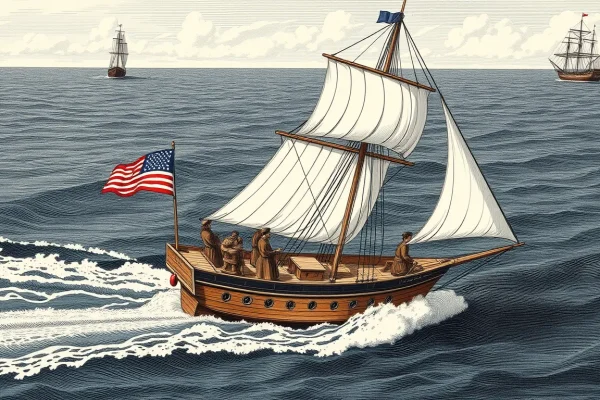
During the War of 1812, privately owned armed ships commissioned by the United States government raided British merchant shipping, capturing more than 1,300 vessels and nearly forcing the British to abandon their maritime trade. These privateers played a crucial role in the naval war despite being separate from the small U.S. Navy.

Read More →