Capture of USS Essex at Valparaíso

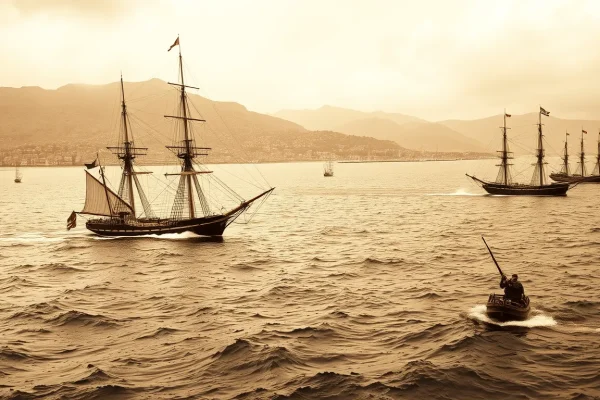
On 28 March 1814, the British frigate HMS Phoebe and sloop HMS Cherub captured the American frigate USS Essex off Valparaíso, Chile, ending the most successful American commerce-raiding cruise of the War of 1812. The engagement demonstrated the vulnerability of carronade-armed ships against long-gun opponents.
Read More →

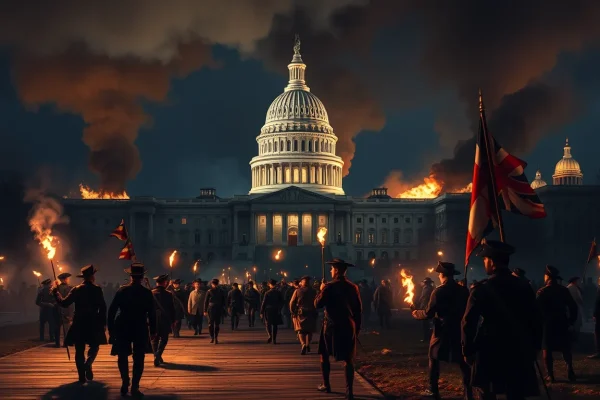
Why Did the British Burn Washington in 1814?

In August 1814, British forces under Major General Robert Ross and Rear Admiral George Cockburn captured Washington, D.C., and set fire to its public buildings. The burning was an act of retaliation for American destruction of Canadian towns, particularly York and Newark, and a strategic blow to undermine U.S. morale. It remains the only time a foreign power captured and occupied the American capital.

Read More →

The Race to Build Warships on the Great Lakes

During the War of 1812, the United States and Great Britain engaged in a frantic naval construction race on the Great Lakes, building increasingly powerful warships to secure control of these inland waters. This competition ultimately produced the massive HMS St. Lawrence and spurred American vessels never completed, shaping the war’s strategic stalemate and post-war disarmament agreements.

Read More →

Fort Detroit During the War of 1812

Fort Detroit, a key American frontier post on the Detroit River, was surrendered to British and Indigenous forces under Isaac Brock and Tecumseh on August 16, 1812, after a failed American invasion of Upper Canada. The surrender was a major early American defeat, but the fort was recaptured in 1813 following the Battle of Lake Erie.

Read More →

Shipbuilding at Sackett’s Harbor

During the War of 1812, Sackett’s Harbor on Lake Ontario became the most active American naval station, where shipbuilder Henry Eckford constructed a fleet that challenged British control of the lake. The rivalry with British Kingston marked a major wartime shipbuilding race.

Read More →