James FitzGibbon
James FitzGibbon (1780–1863) was an Irish-born British officer in the War of 1812, celebrated for his guerrilla tactics, his role at the Battle of Beaver Dams, and his connection to Laura Secord’s famous warning.


James FitzGibbon (1780–1863) was an Irish-born British officer in the War of 1812, celebrated for his guerrilla tactics, his role at the Battle of Beaver Dams, and his connection to Laura Secord’s famous warning.
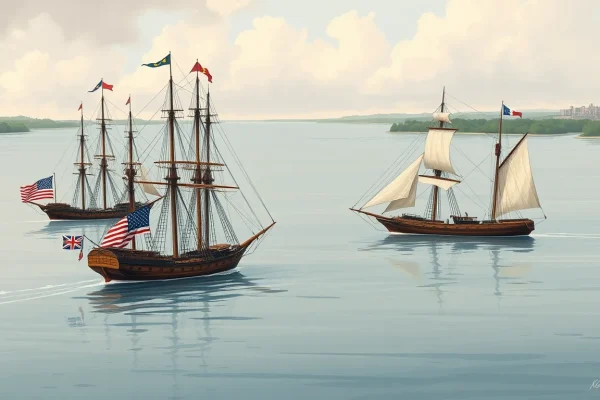
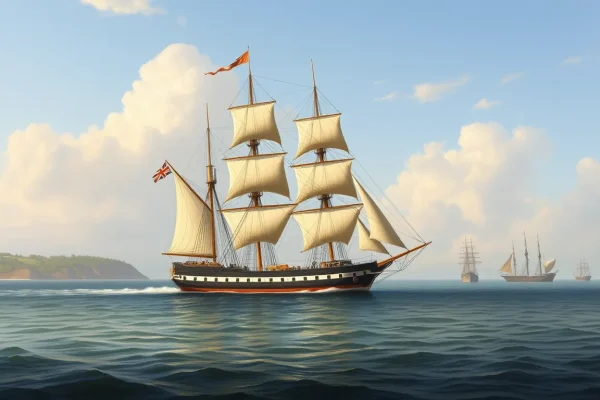
The War of 1812 on Lake Ontario saw a massive naval arms race but no decisive fleet battle. This article explores the strategic, tactical, and command factors that prevented a conclusive engagement, and the consequences for the war.
Lake Ontario was the central naval theater of the War of 1812, where American and British squadrons competed for control of a vital supply line. Despite a massive arms race culminating in the largest warship on the Great Lakes, no decisive battle was fought, leaving the strategic balance unresolved until war’s end.
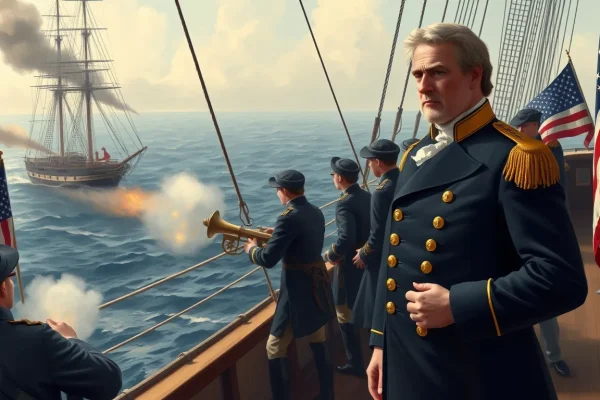
William Bainbridge (1774–1833) was a U.S. Navy officer whose capture of HMS Java in 1812 made him a national hero and solidified the reputation of the American frigate navy during the War of 1812.
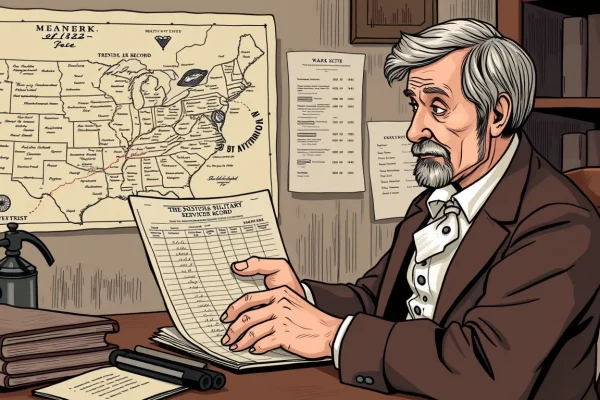
Learn the step-by-step methods for locating ancestors who served in the War of 1812, covering U.S., British, Canadian, and Indigenous service records, pension files, bounty land warrants, and the key archives and online databases.
This article explains the equipment, organization, and tactical employment of artillery by American and British forces during the War of 1812, including field guns, howitzers, siege pieces, and rockets, and assesses their impact on key battles and the war’s outcome.
The Federalist Party, after 1815, collapsed due to its opposition to the War of 1812, the controversial Hartford Convention, and the perception of disloyalty. This article examines the causes, events, and consequences of that decline, which ended the first party system and led to the Era of Good Feelings.
The Treaty of Ghent, signed on December 24, 1814, ended the War of 1812 between the United States and Great Britain. It restored pre-war boundaries without addressing impressment or neutral rights, setting the stage for a lasting peace and shaping North American borders.
After the Treaty of Ghent ended the War of 1812, the United States experienced a surge of national unity and pride. This ‘Era of Good Feelings’ saw new federal projects, cultural nationalism, and a shift away from partisan divisions, though it also masked growing sectional tensions.
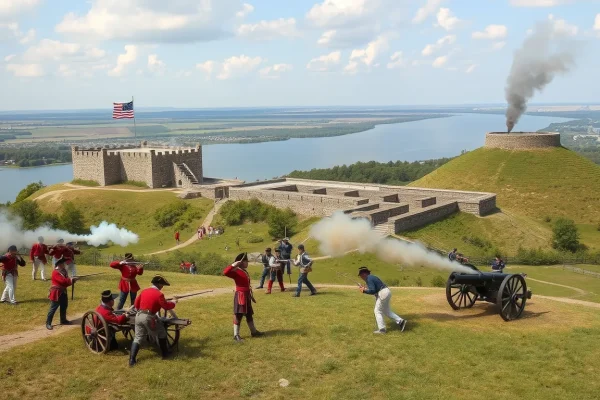
Fort Erie, a British post on the Niagara River, was captured by American forces in July 1814, became the focus of a prolonged siege, and was destroyed on evacuation in November 1814. The fort’s defense and eventual abandonment marked the end of the last major American invasion of Upper Canada.