Second Battle of Fort Bowyer

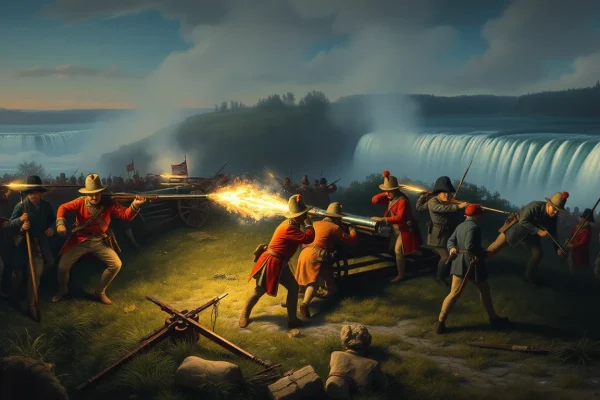
The Second Battle of Fort Bowyer (February 8–12, 1815) was the last land engagement of the War of 1812. A British force of about 5,000 veterans, fresh from the Battle of New Orleans, besieged and forced the surrender of an American garrison of roughly 375 men. The fort fell just days before news of the Treaty of Ghent arrived, making the British victory strategically moot.

Read More →

Stephen Decatur and USS President

Stephen Decatur, commander of the U.S. frigate USS President, attempted to run the British blockade of New York on 14–15 January 1815. After grounding on a sandbar and suffering damage, President was pursued and captured by a British squadron led by HMS Endymion, ending the last major frigate action of the War of 1812.

Read More →

Why Is the War of 1812 Important Today?

The War of 1812, though often overlooked, is important today because it solidified American independence, shaped Canadian national identity, weakened Indigenous power east of the Mississippi, and set the stage for westward expansion and the Civil War. Its symbols, such as the Star-Spangled Banner, continue to resonate in national memory.

Read More →

The Legacy of the War of 1812

The legacy of the War of 1812 includes the Treaty of Ghent’s restoration of prewar borders, the rise of American nationalism and naval tradition, the decline of the Federalist Party, and competing Canadian, British, and Indigenous memories. Although often called a forgotten war in the United States, it reshaped national identities and accelerated U.S. westward expansion and Indigenous dispossession.

Read More →

Battle of Chippawa

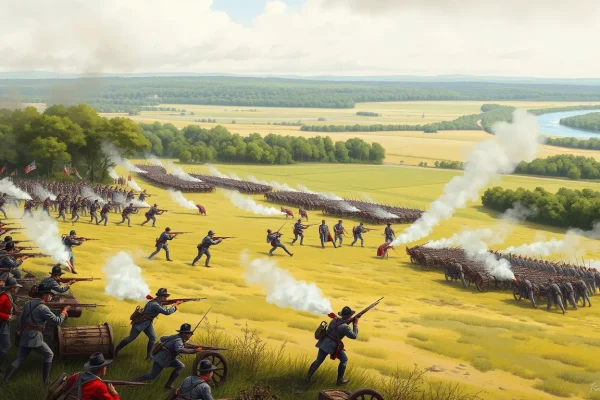
The Battle of Chippawa, fought on July 5, 1814, was a decisive American victory over British forces during the War of 1812. It demonstrated that properly trained American regulars could defeat British professionals in an open-field engagement, marking a turning point in the Niagara campaign.

Read More →