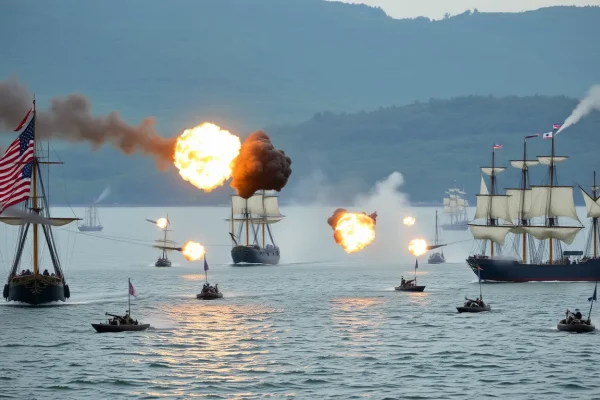
Alexander Macomb and the Battle of Plattsburgh

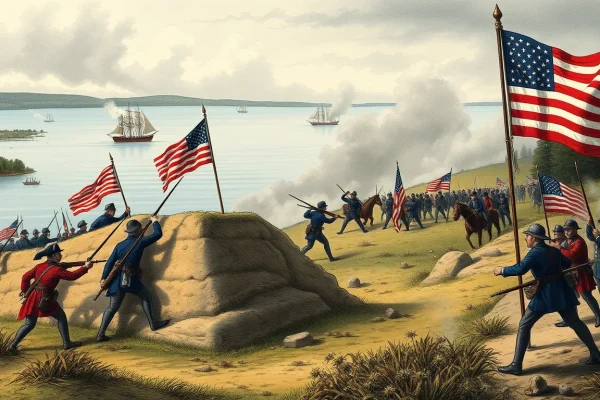
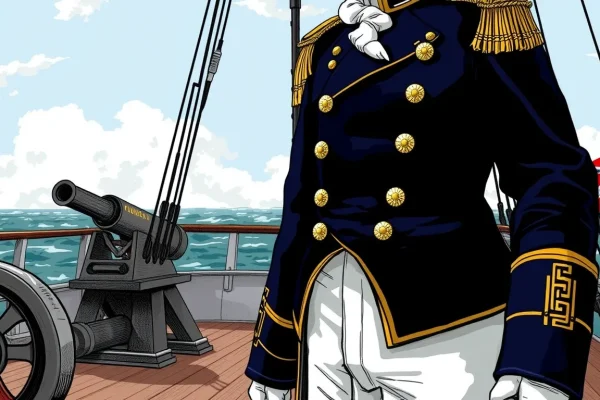
Alexander Macomb was the American field commander at the Battle of Plattsburgh (September 11, 1814), where he successfully defended northern New York against a larger British invasion force. The American victory, including the naval triumph on Lake Champlain, halted the British advance and influenced peace negotiations.

Read More →

Rush–Bagot Agreement and the Great Lakes

The Rush–Bagot Agreement of 1817 was an exchange of diplomatic notes between the United States and Great Britain that limited naval forces on the Great Lakes and Lake Champlain. It ended the post-War of 1812 naval arms race and became a lasting symbol of the undefended border between the United States and Canada.

Read More →

Propaganda During the War of 1812

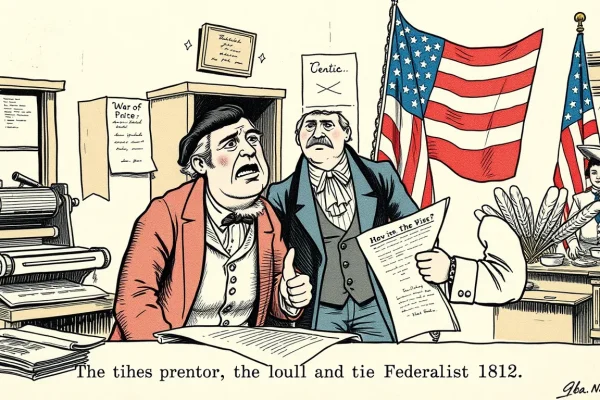
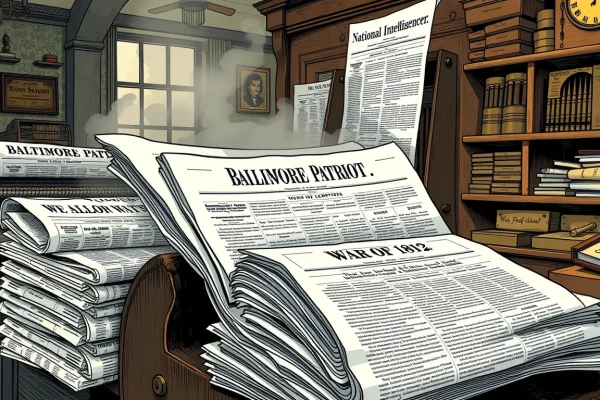
During the War of 1812, both American and British/Canadian sides used newspapers, cartoons, proclamations, and rumors to shape public opinion and bolster morale. This propaganda influenced domestic politics, military recruitment, and the broader narrative of the conflict, leaving a lasting impact on freedom of the press.

Read More →

Night Battle of December 23, 1814

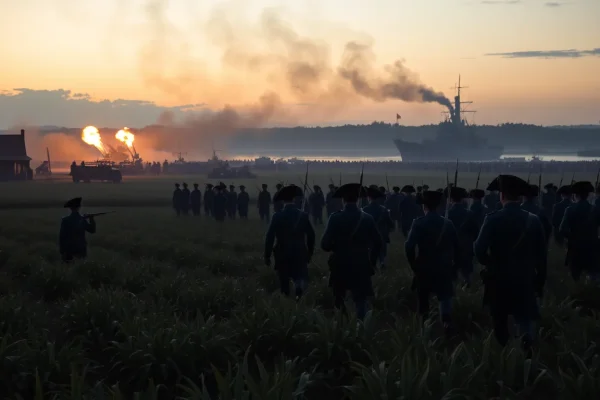
The Night Battle of December 23, 1814, was a surprise American attack on British forces that had just landed below New Orleans during the War of 1812. Andrew Jackson’s night assault, though tactically indecisive, delayed the British advance and allowed time for the construction of the defensive line that won the decisive Battle of New Orleans on January 8, 1815.

Read More →