Fortifications of the War of 1812

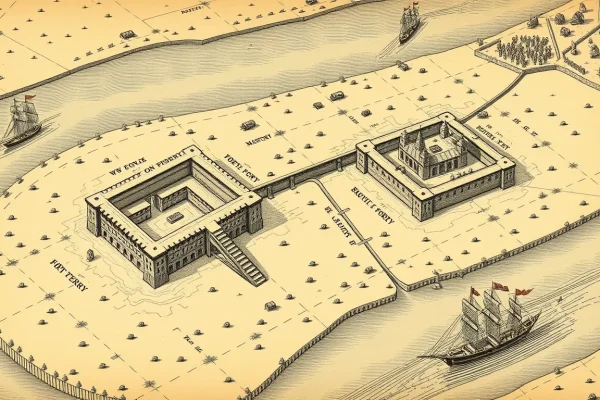
The fortifications of the War of 1812 comprised the static defenses that shaped campaigns from the Great Lakes to the Atlantic coast. These works, ranging from permanent masonry fortresses to temporary earthworks, protected strategic harbors, supply routes, and frontiers, and their condition and use influenced the outcomes of key battles and sieges. Their preservation as national historic sites reflects their enduring significance.

Read More →

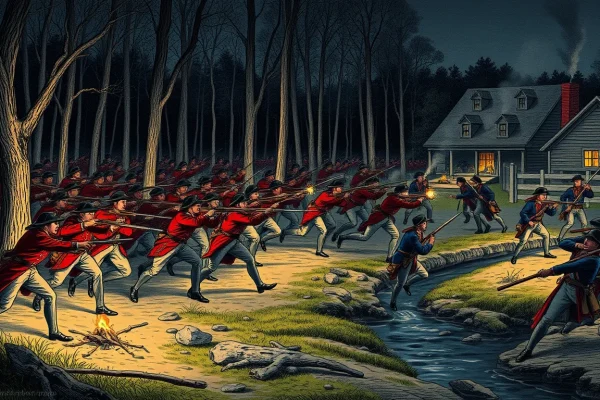
Militia Service During the War of 1812

During the War of 1812, militia service involved the mobilization of citizen-soldiers by state governments, subject to federal call-ups. The system faced significant legal and military challenges, including refusals to cross into Canada and mixed performance in battle, while Canadian militias played a role in defending Upper Canada.

Read More →

Records of Impressed American Sailors

Records of Impressed American Sailors are the diplomatic and administrative documents created by the U.S. government between the 1790s and the end of the War of 1812 to track foreign impressment of American seamen and to seek their release. These records document a primary cause of the War of 1812 and survive as a rich source for genealogists and historians.

Read More →

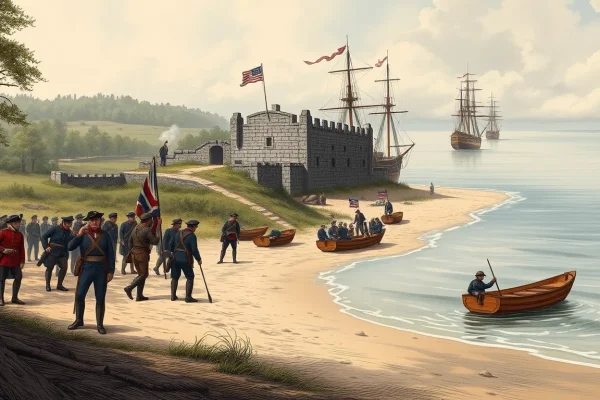
Battle of Fort Oswego (1814)

The Battle of Fort Oswego (1814) was a British raid on the American post at Oswego, New York, on 6 May 1814, during the War of 1812. Though the British captured the fort and village, they failed to secure the heavy naval guns intended for the American squadron on Lake Ontario, limiting the strategic impact of their victory.

Read More →