When Did the War of 1812 Officially End?
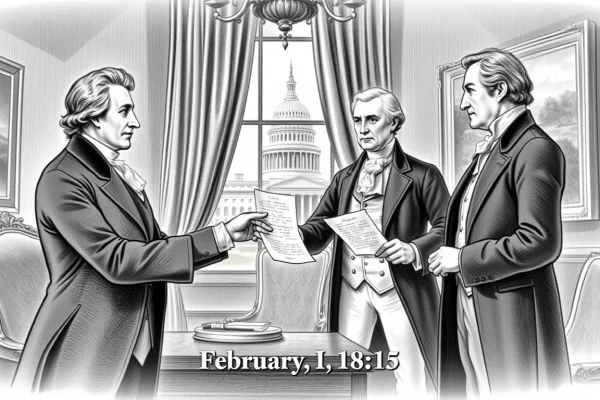
The War of 1812 officially ended on February 17, 1815, when the United States and Great Britain exchanged ratifications of the Treaty of Ghent, which had been signed on December 24, 1814.


The War of 1812 officially ended on February 17, 1815, when the United States and Great Britain exchanged ratifications of the Treaty of Ghent, which had been signed on December 24, 1814.
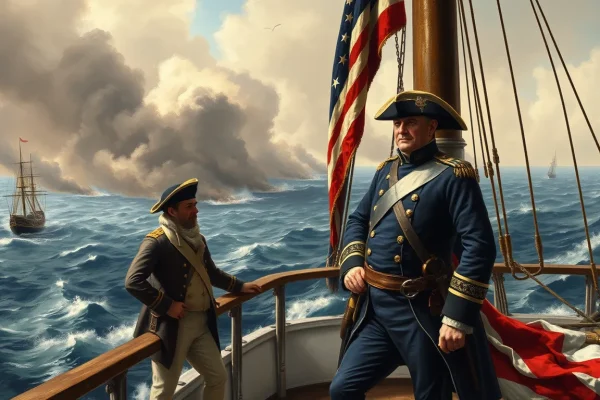
David Porter commanded the USS Essex during the War of 1812, leading a celebrated Pacific raiding campaign and fighting the Battle of Valparaiso. This article covers his early career, wartime actions, and historical legacy.
The year 1813 in the War of 1812 saw major American victories at York and Lake Erie, the death of Tecumseh, and a series of battles across the Niagara frontier, shifting the war’s momentum toward the United States.
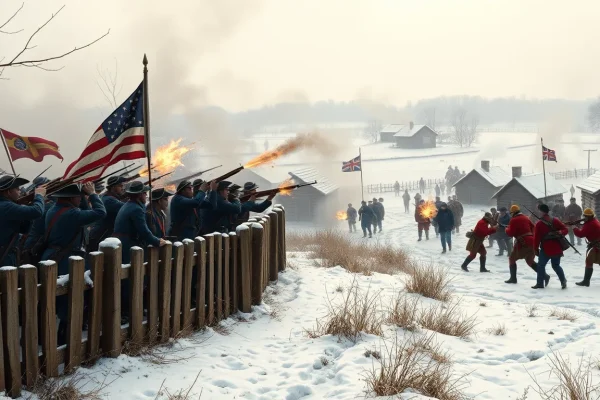
The Battle of Frenchtown, fought on January 18 and 22, 1813, near present-day Monroe, Michigan, was a decisive British and Indigenous victory during the War of 1812. The defeat and subsequent massacre of American prisoners sparked the rallying cry ‘Remember the Raisin’.
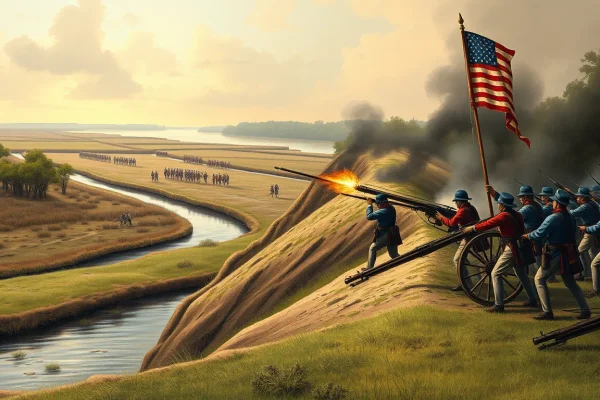
The Battle of New Orleans, fought on January 8, 1815, was the final major land engagement of the War of 1812. Andrew Jackson’s ragtag American force decisively repulsed a British invasion, securing New Orleans and the Mississippi River and catapulting Jackson to national fame.
New England opposition to the War of 1812 was led by the Federalist Party, which used legislative resistance, militia refusals, and the Hartford Convention to protest President Madison’s policies, ultimately weakening the war effort and contributing to the party’s decline.
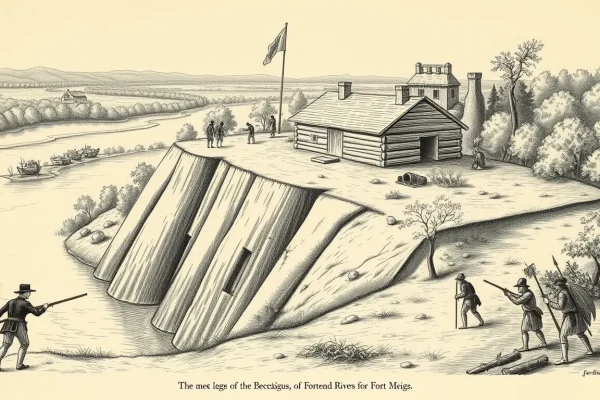
The Second Siege of Fort Meigs (July 21–28, 1813) was a failed British and Indigenous attempt to capture the American fort on the Maumee River by ruse. The garrison under Green Clay refused to be lured out, forcing the attackers to withdraw and marking a turning point in Anglo-Indigenous cooperation.
War of 1812 pension records are federal application files created under pension acts of 1871 and 1878, documenting veterans’ service, families, and postwar lives. They are a key genealogical and historical source for understanding who served and the war’s long-term impact.
Fort George was a British strongpost on the Niagara River that became a key objective of the American 1813 campaign. After a naval bombardment on 25 May and an amphibious assault on 27 May 1813, American forces captured the fort and occupied it for seven months. Its loss forced the British to withdraw to Burlington Heights, but the fort was retaken in December 1813 and held until the end of the war.
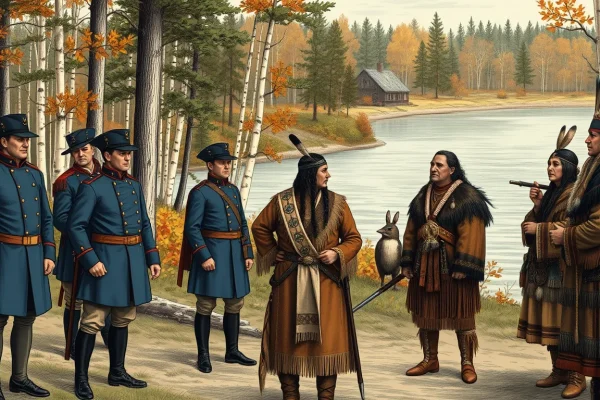
During the War of 1812, the relationship between the United States and the Indigenous nations of the Great Lakes, Ohio Valley, and the South was transformed by military alliance, warfare, and treaty. Tecumseh’s confederacy sided with the British to resist American expansion, while the collapse of the confederacy and the Creek War’s aftermath opened vast territories to American settlement and set the stage for Indian removal.