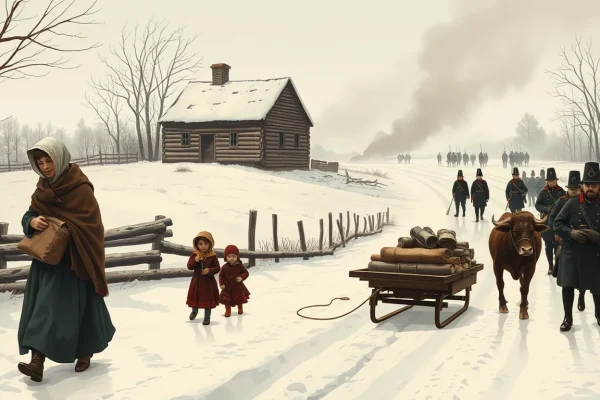
Women and Civilians in the War of 1812

Women and civilians—farm families, enslaved people, soldiers’ wives, townspeople, and Indigenous communities—lived directly in the path of the War of 1812’s operations on both sides of the border. They endured raids, occupations, and burnings from the Niagara frontier to the Chesapeake, while women also worked as nurses, estate managers, intelligence carriers, and petitioners. This article separates documented civilian experience from the later legends built around figures such as Laura Secord and Dolley Madison.

Read More →

Battle of Villéré’s Plantation

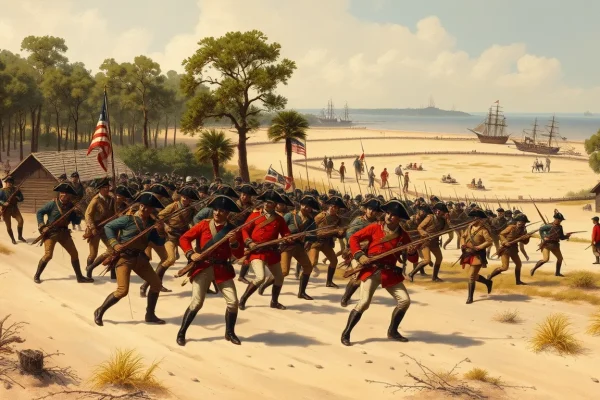
The Battle of Villéré’s Plantation (December 23–24, 1814) was a night engagement between American forces under Maj. Gen. Andrew Jackson and a British brigade that had occupied the Villeré plantation near New Orleans. Jackson’s attack surprised the British, delayed their advance, and gave the Americans time to fortify the approach to the city.

Read More →

Why Was the White House Burned?

British forces burned the White House on August 24, 1814, during the War of 1812, as retaliation for American destruction of public buildings in Upper Canada, including the capital at York and the town of Newark. The burning was a deliberate act of military retaliation and a psychological blow to the United States.

Read More →

Who Fought in the War of 1812?

The War of 1812 was fought between the United States and Great Britain, but its combatants extended far beyond those two governments: British regulars, Canadian militias, dozens of Indigenous nations, American regulars and militia, navies, privateers, and African American soldiers on both sides. This article identifies the participants and explains how their differing aims shaped the conflict.

Read More →

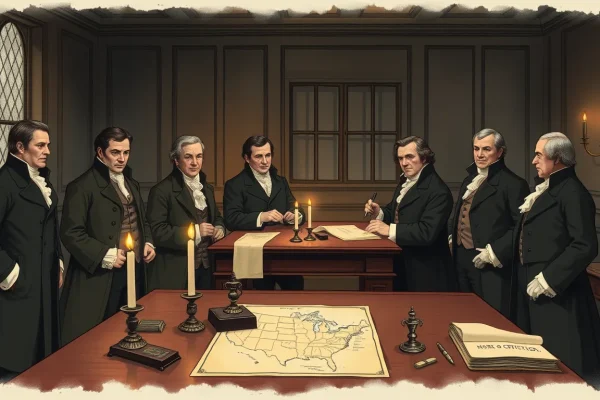
The Treaty of Ghent: How the War of 1812 Ended

Signed at Ghent on December 24, 1814, the Treaty of Peace and Amity formally ended the War of 1812 by restoring the prewar status quo between the United States and Great Britain. It resolved none of the maritime disputes that had caused the war, and its promises to Indigenous nations went largely unfulfilled. Ratifications were exchanged in February 1815, though fighting continued until news of the peace crossed the Atlantic.

Read More →

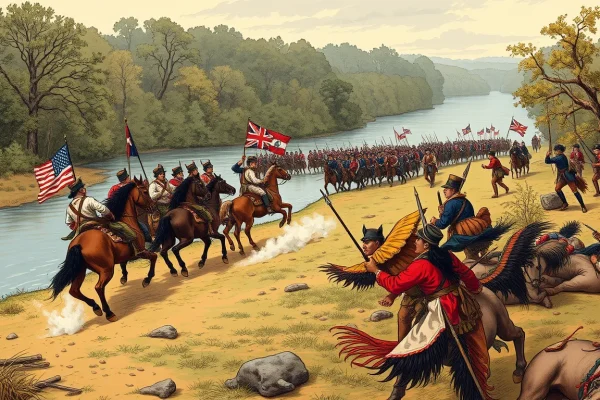
Battle of Detroit: Complete History

The Battle (or Siege) of Detroit on 15–16 August 1812 was a decisive early engagement of the War of 1812, in which British and Indigenous forces under Major General Isaac Brock and Tecumseh forced the surrender of the American garrison at Detroit without a battle, capturing the entire Michigan Territory and devastating American morale.

Read More →

Prize Money During the War of 1812

Prize money, the proceeds from captured enemy ships and cargoes, was a central economic incentive for naval officers, sailors, and privateers during the War of 1812. Both the United States and Great Britain established legal frameworks to encourage captures, distributing shares according to elaborate schedules that shaped maritime warfare.

Read More →

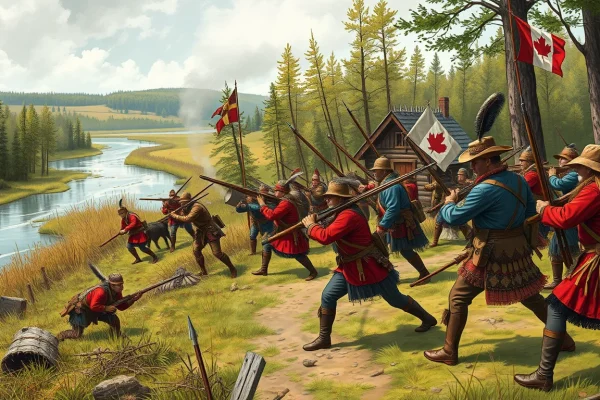
How the War of 1812 Changed Canada

The War of 1812 (1812–1814) between the United States and Great Britain transformed British North America by fostering a shared Canadian identity, weakening Indigenous power, and shaping future political development. The conflict repelled American invasions and created conditions for a distinct Canadian nation.

Read More →