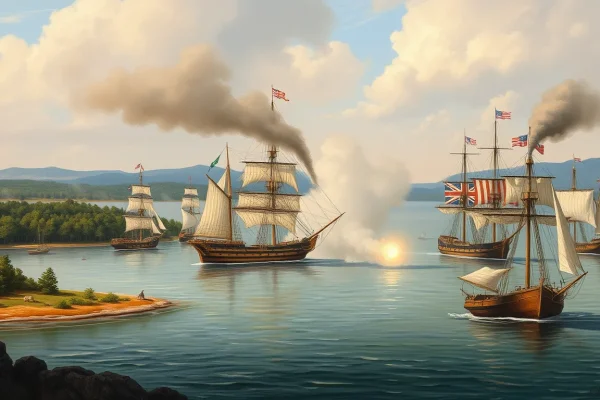
The British Blockade of the United States (1812–1815)

The British blockade of the United States during the War of 1812 progressively closed American ports to trade and naval movement, devastating the economy and constraining the U.S. Navy. Extended from the Chesapeake in 1812 to include the entire Atlantic and Gulf coasts by 1814, the blockade was a significant instrument of British economic warfare and remains a subject of scholarly debate over its decisiveness.
Read More →

Medicine During the War of 1812

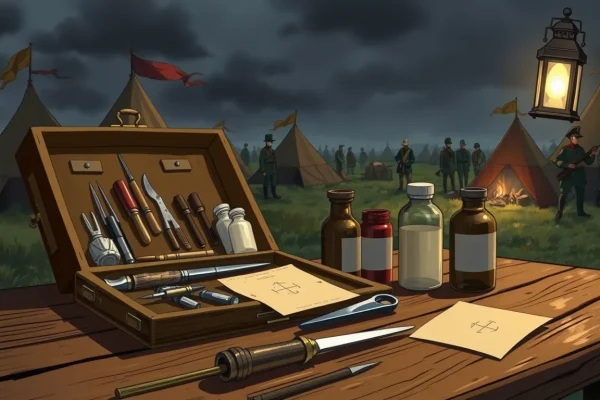
During the War of 1812, disease killed far more soldiers than combat, and medical practice relied on humoral theory, emphasizing treatments like bloodletting and purging. The conflict exposed major weaknesses in military medical organization and prompted reforms, including the creation of the U.S. Army Surgeon General’s office.

Read More →

Riflemen in the War of 1812

The U.S. Regiment of Riflemen and its wartime-expanded sister regiments were specialized light infantry who fought with rifles and green uniforms. They played key roles at York, Fort George, Crysler’s Farm, and Big Sandy Creek, and their performance shaped American military thinking.

Read More →

Why Was the War of 1812 So Politically Divisive?

The War of 1812 was politically divisive due to sharp party and sectional splits between Federalists, who opposed the conflict as ruinous to commerce and aid to Napoleon, and Democratic-Republicans, who saw it as necessary to defend American honor and sovereignty. The close votes in Congress, New England obstructionism, and the Hartford Convention reflected deep disagreements that shaped the war’s conduct and outcome.

Read More →

Battle of Sackett’s Harbor

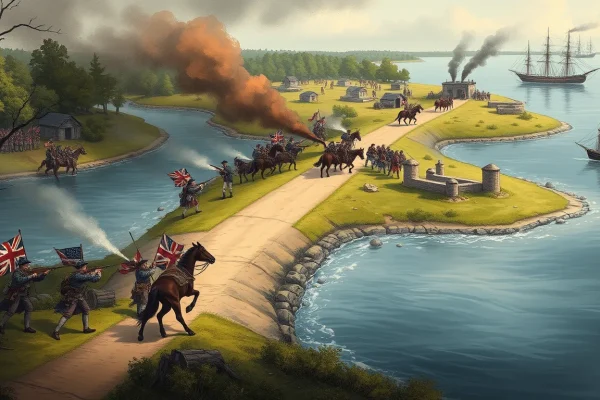
The Battle of Sackett’s Harbor (29 May 1813) was a British amphibious raid against the principal American naval base on Lake Ontario during the War of 1812. Although the attackers were repulsed, they destroyed naval stores and briefly impaired American shipbuilding, shaping the naval balance on the lake.

Read More →

Why Did Britain Lose the Battle of New Orleans?

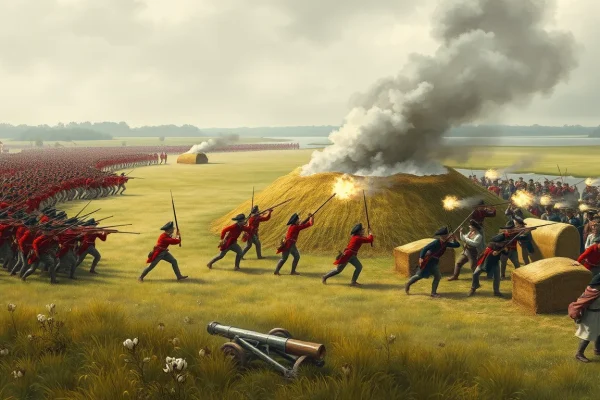
The British defeat at the Battle of New Orleans on January 8, 1815, resulted from a combination of failed tactical coordination, insufficient preparation, strong American fortifications, and effective artillery fire, rather than a lack of veteran soldiers. The victory, though occurring after the Treaty of Ghent was signed, restored American morale and made Andrew Jackson a national hero.

Read More →

Creek Civil War Explained

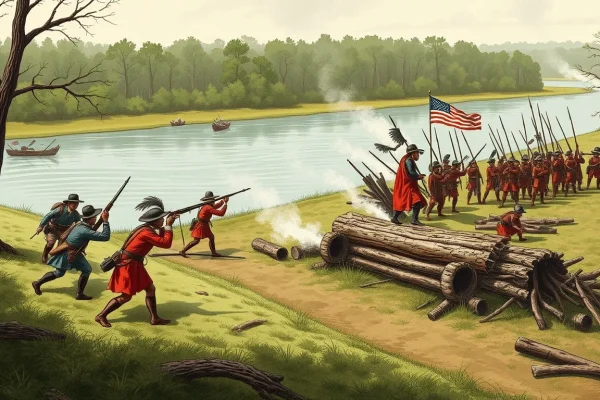
The Creek Civil War (1813–1814) was a conflict between factions of the Muscogee (Creek) Nation, which escalated into a war with the United States during the War of 1812. It ended with the Treaty of Fort Jackson, forcing the Creeks to cede millions of acres and reshaping the American South.

Read More →

James Lucas Yeo and the War of 1812

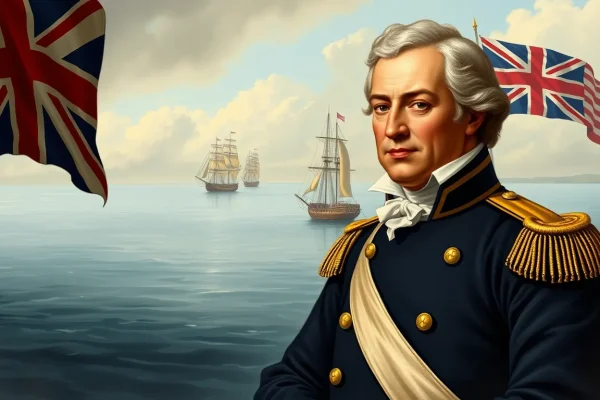
Sir James Lucas Yeo commanded the Royal Navy on the Great Lakes during the War of 1812, leading British naval forces on Lake Ontario in a campaign of shipbuilding, blockade, and occasional combat against American commodore Isaac Chauncey. His strategic caution and strained relations with Governor General Sir George Prevost shaped the naval war on the inland frontier.

Read More →

Battle of Lake Champlain

The Battle of Lake Champlain, also known as the Battle of Plattsburgh, was a decisive American naval and land victory on September 11, 1814, that stopped the final British invasion of the northern United States during the War of 1812 and influenced the Treaty of Ghent negotiations.

Read More →