Short Answer
Letters and diaries from the War of 1812 (1812–1815) are personal, first-hand accounts written by soldiers, officers, sailors, civilians, and others who experienced the conflict. These texts offer intimate perspectives on the events, daily life, and social conditions of the era. Reading them properly requires understanding their physical form, historical context, and the author’s viewpoint. This guide explains how historians approach these sources and what readers should look for when studying them.
Historical Context
The War of 1812 was a conflict between the United States and Great Britain, with various Indigenous nations as allies of both sides. It was fought across the Atlantic coast, the Great Lakes region, Canada, the West Indies, and the high seas. The war was influenced by issues of maritime rights, impressment, territorial expansion, and Native American resistance. During this period, personal correspondence was the main way people shared news, maintained relationships, and documented experiences. Diaries were private records of daily events and thoughts. Both formats were shaped by the scarcity of paper, the cost of postage, and the limits of literacy. The war generated a large number of these documents, which are now valuable primary sources.
What Happened
During the war, soldiers in the U.S. Army, militia, and British regulars wrote letters to family and friends. Naval officers kept journals and sent official and private letters. Civilians documented the impact on their homes and communities. Women, African Americans, and Indigenous peoples also left records, though these are fewer and often indirect. Many of these manuscripts survive today in archives like the National Archives and Records Administration (NARA), the Library of Congress, the Maryland Historical Society, and other repositories. Published editions, such as The Naval War of 1812: A Documentary History, make some of these sources accessible. Historians use these personal writings to reconstruct events, assess morale, and understand the human cost of the war.
Why It Matters
Personal letters and diaries provide a grassroots view that complements official reports and newspapers. They reveal the everyday concerns of soldiers and civilians, such as food, pay, health, and family. They also show the political and social attitudes of the time. However, they are not neutral sources; they reflect the writer’s bias, limited knowledge, and personal agenda. Historians must critically evaluate these texts, considering the author’s identity, audience, and purpose. By doing so, they can extract reliable information about the war’s social and cultural dimensions.
Definition
Letters and diaries are personal documents written by individuals. Letters are addressed to a specific recipient, intended for that person’s eyes and often sent through a postal system or carried by hand. Diaries are typically kept for oneself, a chronological record of events, thoughts, and feelings. Both are primary sources, meaning they were created at the time under study and offer direct evidence. They differ in audience and intended function: letters are usually more directed, while diaries may be more reflective.
Background
The early 19th century was a period of limited literacy, with higher rates among the wealthy and men than among women, African Americans, and the poor. Paper was expensive, and postage was often paid by the recipient. This meant that letters were often long, cross-written to save paper, and reserved for important news. Diaries were less common but still kept by officers, educated civilians, and sometimes women. The War of 1812 saw an increase in correspondence due to the movement of troops and the need for communication. The production of these documents was also shaped by the technology of quill pens, iron gall ink, and handmade paper.
How It Worked
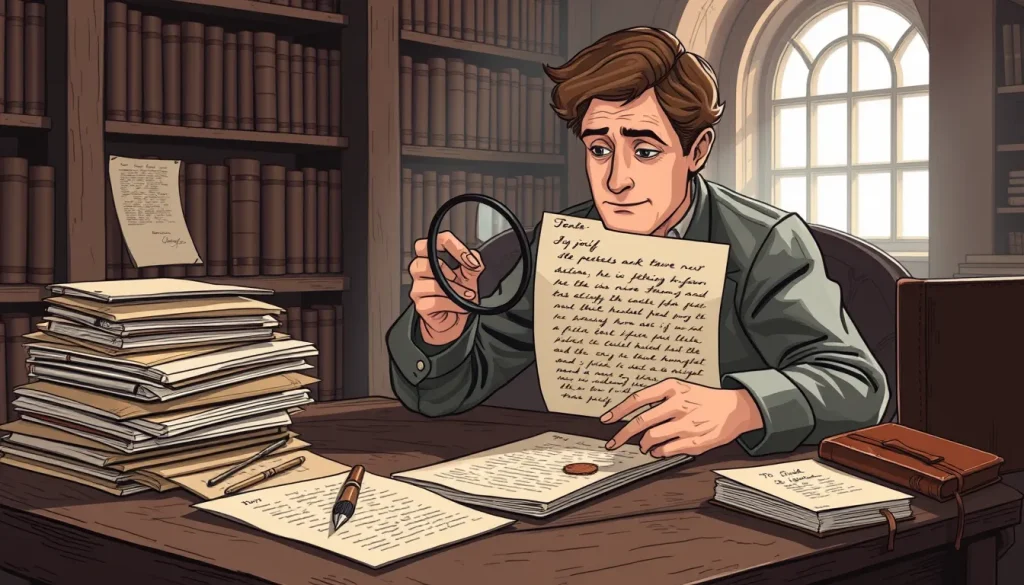
Reading a War of 1812 letter or diary involves several steps. First, examine the physical document: its date, place of writing, and any postmarks or annotations. Note the handwriting, which may be difficult to decipher. Understand the typical structure of a letter: heading (place and date), salutation, body, complimentary close, and signature. Be aware of conventions like “inst.,” “ult.,” and “prox.” for months. Also look for cross-writing, where the writer turned the page to add more text. For diaries, examine the regularity of entries and the level of detail. Then, interpret the content within its historical context. Consider the author’s perspective, their relationship to the events, and their intended audience. Ask questions like: What is the author’s viewpoint? What do they omit? How does this account compare with other sources? This critical analysis is central to historical research.
Competing Viewpoints
Historians have different approaches to personal documents. Social historians use them to study everyday life, gender roles, and community dynamics. Military historians use them to reconstruct battles and camp life. Some scholars emphasize the textual form and materiality, while others focus on the content. There is also debate about the reliability of memory and the influence of later editing. For example, diaries written later may be shaped by hindsight, and letters may be self-censored. These differing perspectives lead to varied interpretations of the same source.
Role in the War of 1812
Letters and diaries played several roles during the war. They were means of communicating news of battles, troop movements, and family matters. They also served as morale boosters, both for soldiers and civilians. Official reports often drew on personal accounts. After the war, veterans and their families preserved these documents as mementos or for pension claims. For example, the Maryland Historical Society holds collections like the papers of Major General Samuel Smith, which include political and military correspondence. The National Archives has records of the Adjutant General’s Office, including letters sent and received, as well as pension files that contain personal declarations. Diaries were kept by officers like John Le Couteur, a British officer, and American militia members. These sources provide insight into the daily experience of war, from the harsh winter in Canada to the bombardment of Fort McHenry.
Consequences and Historical Interpretation
The preservation and study of these documents have shaped modern understanding of the War of 1812. They have allowed historians to reconstruct the experiences of ordinary people, including women and African Americans, who are often absent from official records. They also reveal the international and colonial nature of the war. However, these sources are scattered and often incomplete. Digitization projects and published collections have made them more accessible. Historians continue to use them to explore questions of memory, identity, and the social impact of the conflict.
Primary Sources
Key primary sources include the documentary edition The Naval War of 1812: A Documentary History (vols. 1–3, edited by William S. Dudley and Michael J. Crawford), which collects many official and personal letters. The Maryland Historical Society’s manuscript collections, such as the Samuel Smith Papers (MS 1790), the John Stricker Papers (MS 1435), and the War of 1812 Collection (MS 1846), contain letters from military and civilian figures. NARA’s Record Group 94 (Adjutant General’s Office) holds letters sent and received, while Record Group 45 (Naval Records Collection) includes officer correspondence and logs. These sources are supplemented by diaries and journals preserved in repositories and published editions. When using these, researchers must verify transcription accuracy and consider the context of each document.
Further Reading
- Steven Stowe, “Making Sense of Letters and Diaries,” History Matters, July 2002, https://historymatters.gmu.edu/mse/letters/.
- Maryland Historical Society, “Guide to the War of 1812 Sources,” https://www.mdhistory.org/wp-content/uploads/2023/10/GuideToWarOf1812Resources_2020.pdf.
- T. Juliette Arai, “Researching the War of 1812: Where to Begin,” The Text Message, National Archives, February 15, 2012, https://text-message.blogs.archives.gov/2012/02/15/researching-the-war-of-1812-where-to-begin/.
- Papers of the War Department, “How to Transcribe Letterbooks,” Roy Rosenzweig Center for History and New Media, 2016, https://wardepartmentpapers.org/news/how-to-transcribe-letterbooks/.
- University of North Carolina Wilmington, “Analyzing Correspondence,” LibGuide, https://libguides.uncw.edu/primary_sources/correspondence.
References
- Stowe, Steven. “Making Sense of Letters and Diaries.” History Matters, July 2002. https://historymatters.gmu.edu/mse/letters/.
- Maryland Historical Society. “Guide to the War of 1812 Sources.” Accessed 2023. https://www.mdhistory.org/wp-content/uploads/2023/10/GuideToWarOf1812Resources_2020.pdf.
- Papers of the War Department. “How to Transcribe Letterbooks.” Roy Rosenzweig Center for History and New Media, 2016. https://wardepartmentpapers.org/news/how-to-transcribe-letterbooks/.
- University of North Carolina Wilmington. “Analyzing Correspondence.” Using and Understanding Primary Sources, LibGuide. https://libguides.uncw.edu/primary_sources/correspondence.
- Arai, T. Juliette. “Researching the War of 1812: Where to Begin.” The Text Message (blog), National Archives, February 15, 2012. https://text-message.blogs.archives.gov/2012/02/15/researching-the-war-of-1812-where-to-begin/.
FAQ
What are the common pitfalls in reading old letters?
Common pitfalls include misreading archaic spellings, misinterpreting abbreviations like 'inst.' and 'ult.,' overlooking cross-writing, and failing to consider the author's bias and intended audience.
How can I tell if a diary is reliable?
Diaries are reliable for the author's personal experiences, but they may be biased, incomplete, or influenced by hindsight. Compare with other sources and consider the diary's purpose and regularity.
Where can I find War of 1812 letters and diaries?
Look in national archives (NARA), state historical societies (e.g., Maryland Historical Society), and published documentary editions like 'The Naval War of 1812: A Documentary History'.



Leave a Reply